
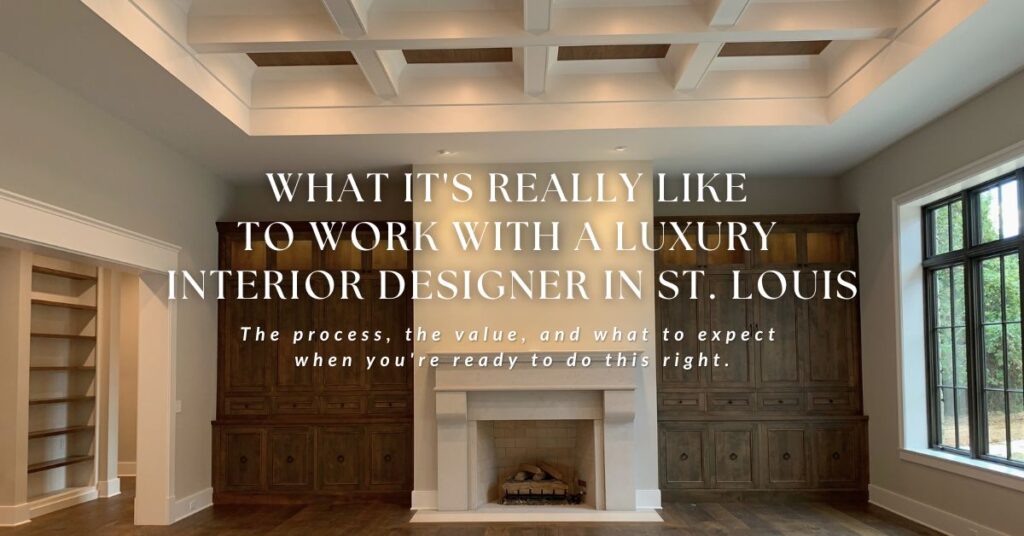
Somewhere along the way, people got the idea that interior designers spend their days picking out pretty things. That always makes me smile. Because if that’s what you think this is, I’m about to give you a much better picture of what’s actually happening behind the scenes of your custom home build or renovation.
This post is for anyone who has wondered what working with a luxury interior designer actually looks like, from the first conversation to the moment you walk into your finished home.
It's Not About Pretty Things.
Let me paint a picture that might feel familiar.
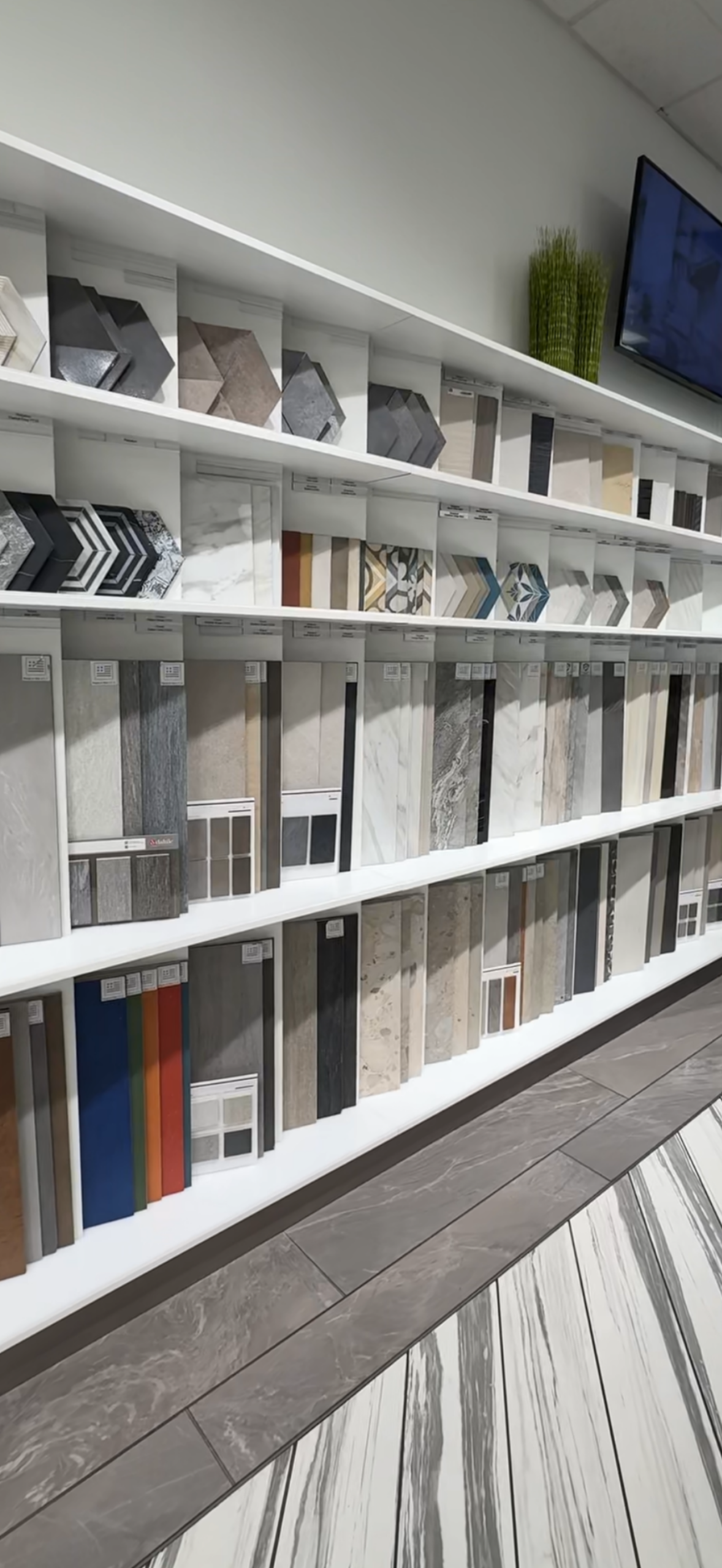
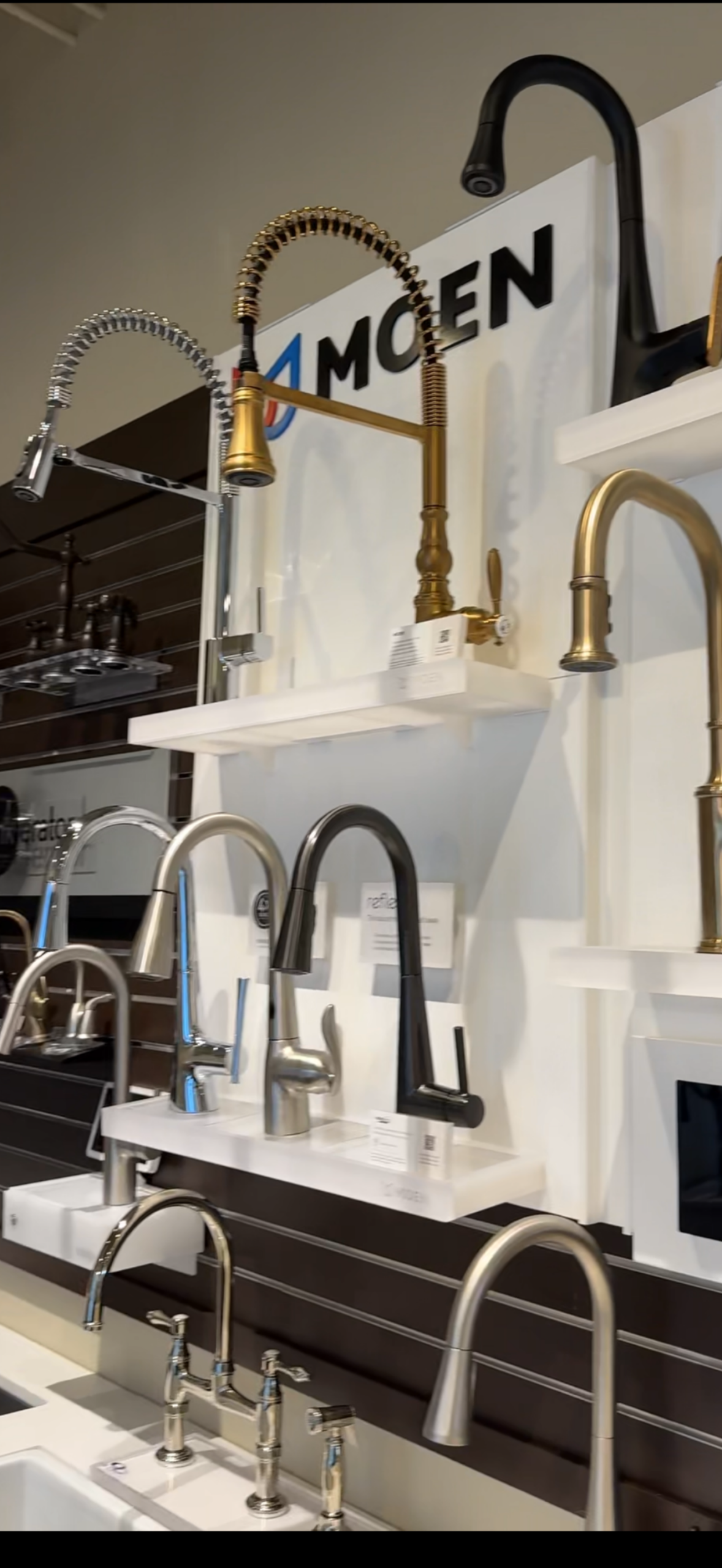
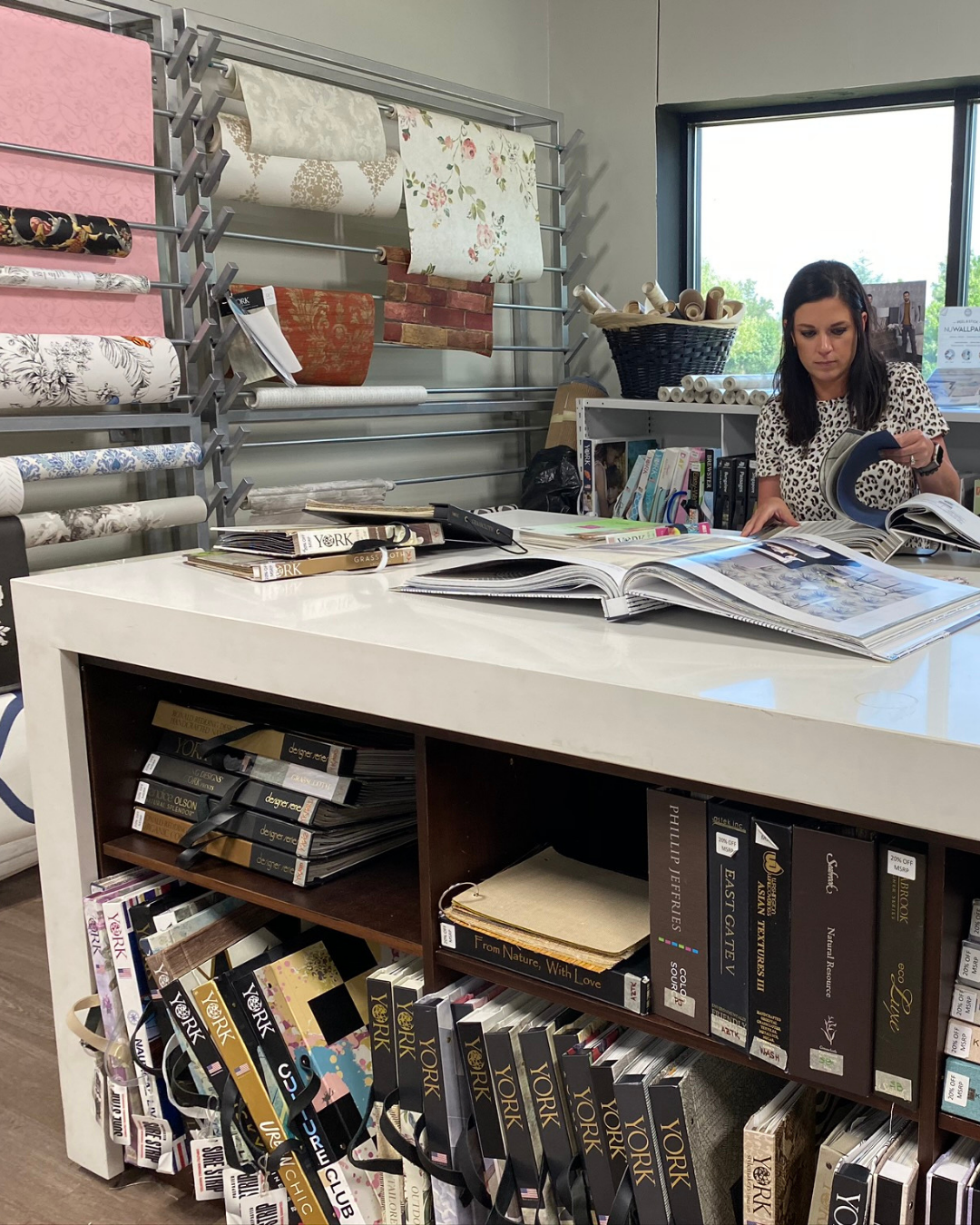
You walk into a tile and countertop showroom. The tile covers several aisles, floor to ceiling, in every color, format, and finish imaginable. Then you move into the slab room, aisle after aisle of full-scale granite, quartz, and quartzite, each one a potential yes or no for your kitchen or primary bath. Then it’s the plumbing fixture showroom, thousands of faucets, shower systems, sinks, and toilets. The finishes look similar across brands, but they aren’t. One brand’s matte black is not the same as another’s. One brand’s brass rarely matches another’s. Mixing brands within a finish is one of the most common and costly mistakes in a custom home, and nearly impossible to catch until everything is installed. Then there’s the lighting showroom. Thousands of fixtures again. And with lighting, scale matters enormously. The ceiling height, the room size, whether the space calls for a flush mount, semi-flush, or chandelier. Get it wrong and even a beautiful fixture looks off.
My background is in architecture. Which means I can not only read your floor plans and elevations and visualize them as a finished product. I can also draw and revise them.
Most designers hire a draftsperson or renderer to create these drawings. With me, the person who knows your project inside and out is the same person creating them. Nothing gets interpreted. Nothing gets lost in translation.
This includes what are called conceptual drawings, scaled illustrations that show exactly what a custom element will look like before it’s built. A fireplace surround with detailed millwork. A built-in bookcase with specific proportions. A custom tile pattern laid out to scale so you can see how it will actually read on the floor or wall. These drawings bridge the gap between an idea and a decision, and they’re something most designers simply can’t produce themselves.
On one project, the original primary bathroom plan had the vanity countertop running the full length of one wall, ending awkwardly into linen cabinetry with no clear relationship to the tub — and a window placed inside the steam shower, which is the last place you want one. The clients felt the space was closed in and disconnected. What they wanted was openness and intention.
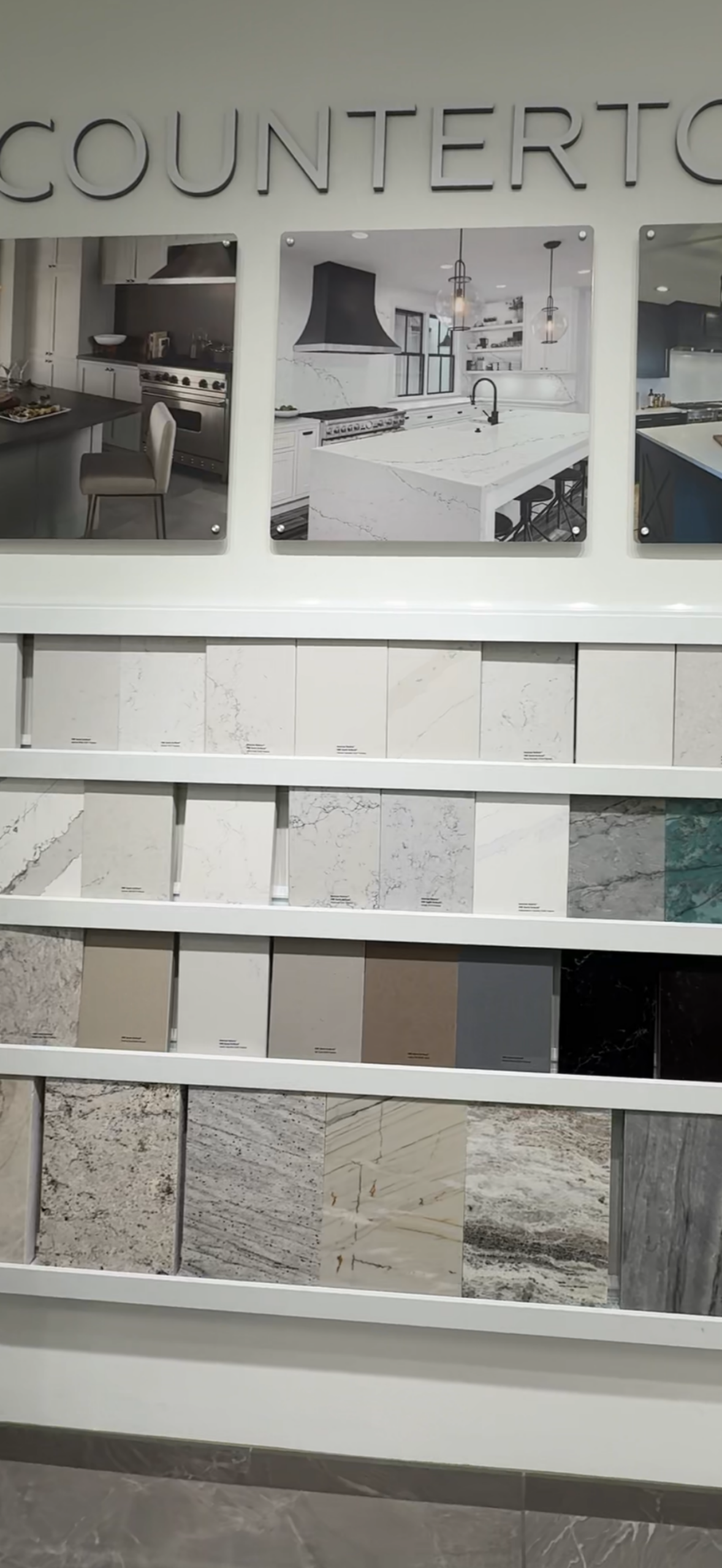
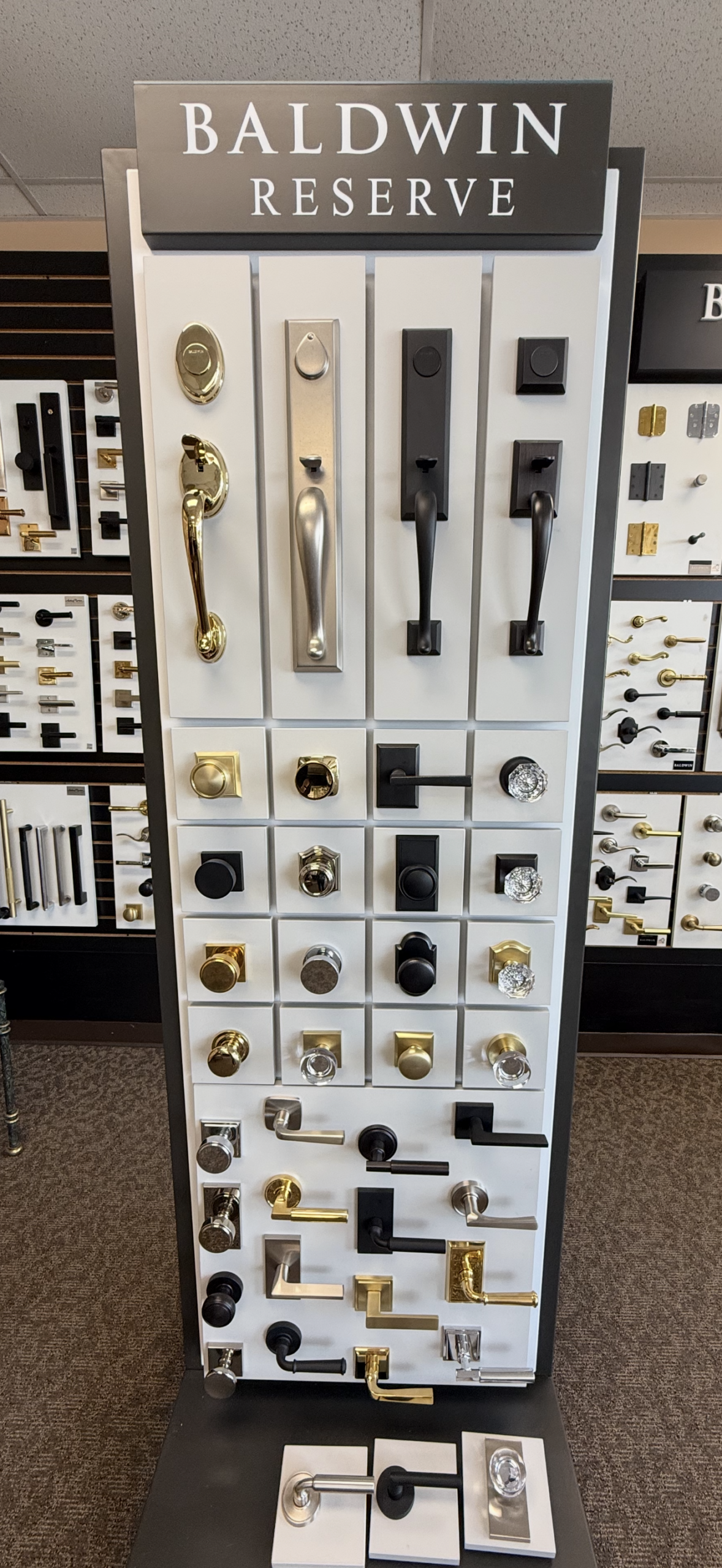
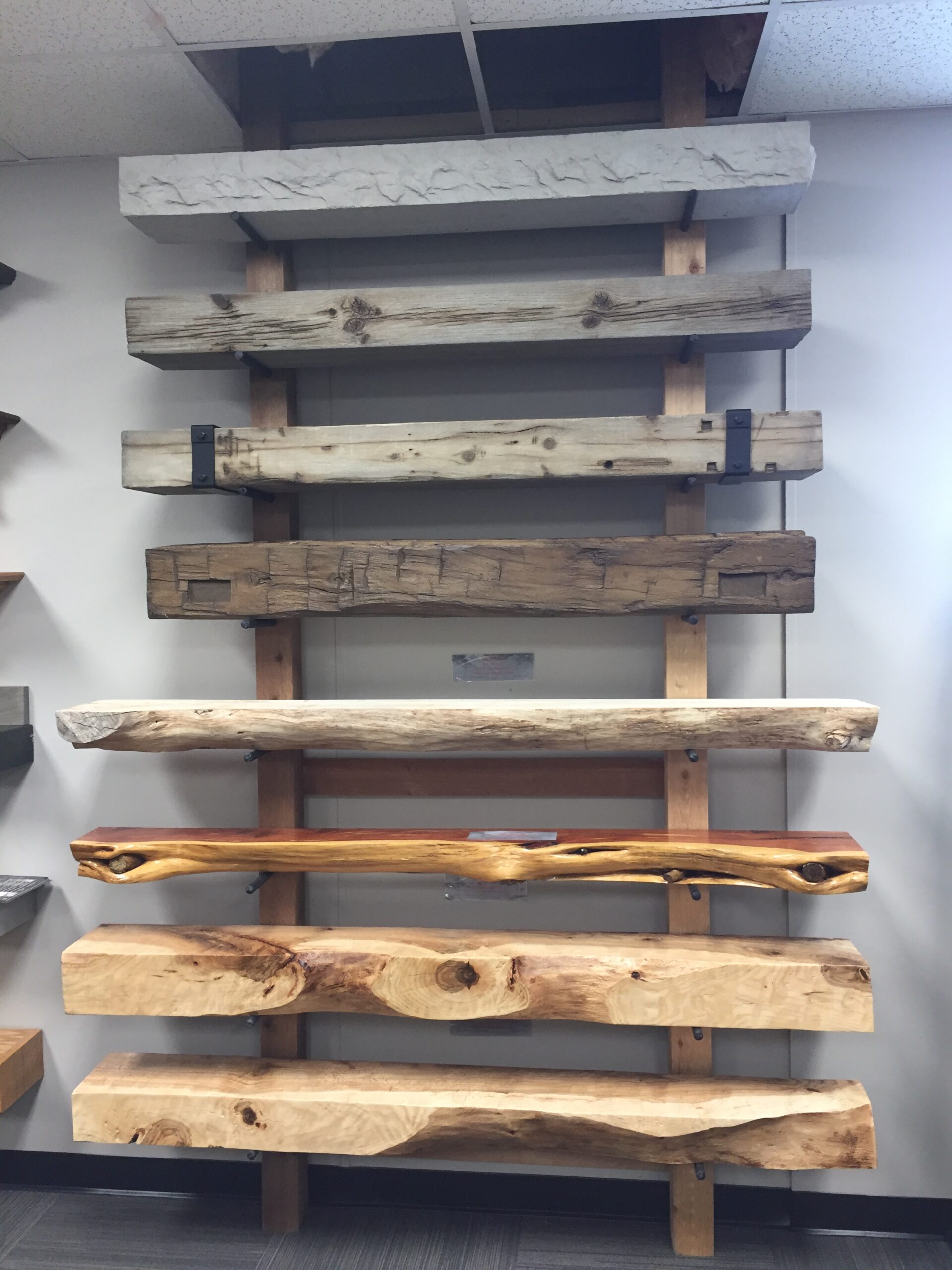
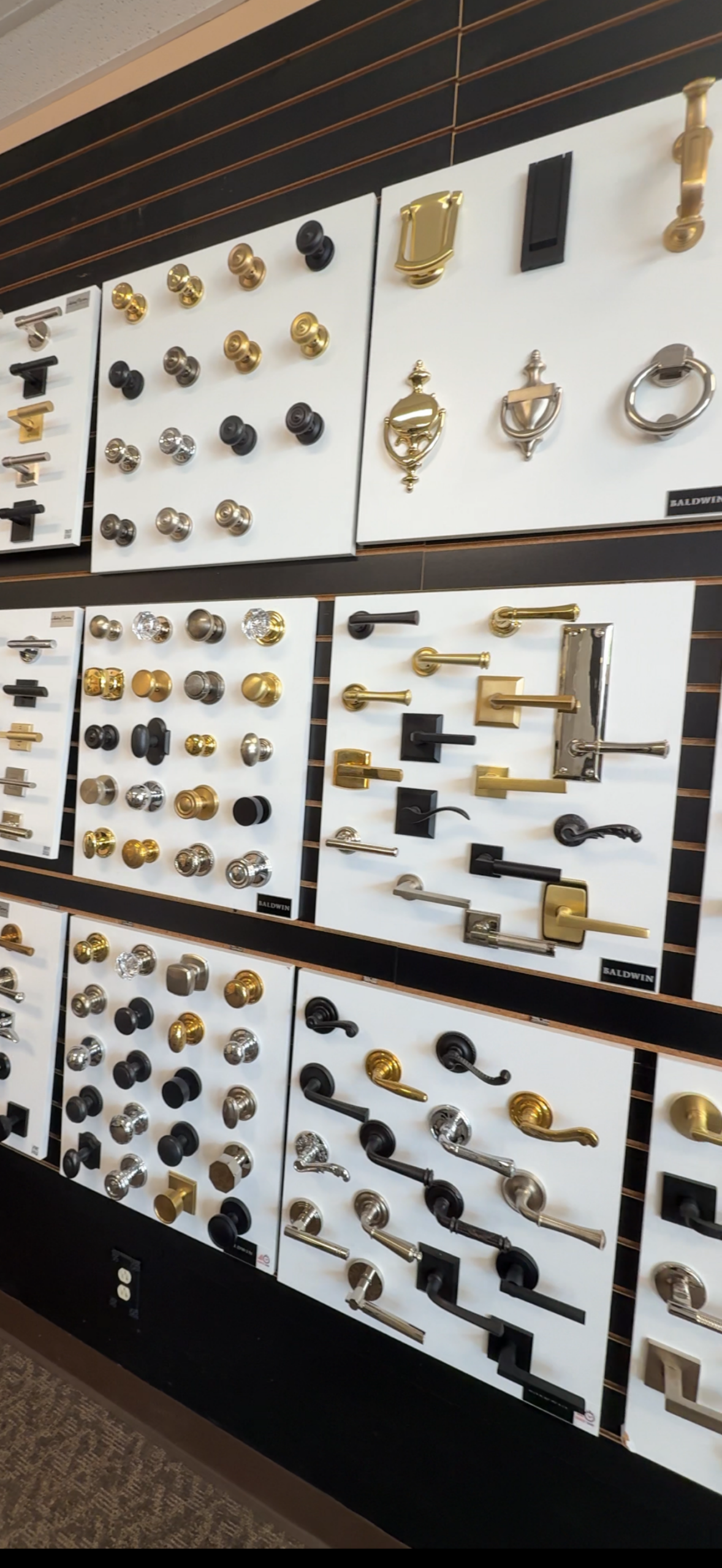
You’ve been at this for over an hour. Your brain is saturated. You’re worn down, a little irritated, either hungry because it’s almost lunchtime, or tired because you just had it. And somewhere in the back of your mind a thought starts to form: does it really matter that much? I don’t normally pay attention to this stuff anyway. So you start making decisions just to get out of there.
The sales rep is helpful. But they aren’t your designer. They can speak to cost, quality, and what’s in stock. They can’t coordinate your selections against every other finish decision already in play across your entire home. And with deadlines looming, decisions often get made simply because they have to be made.
Several months later, when the flooring goes in and the countertops arrive, something feels off. Not wrong exactly. Just disconnected. Like the home is telling three different stories instead of one.
This is what happens without a designer. Not because the selections were bad. But because no one was managing the full picture.
At this level, interior design is project management, construction knowledge, vendor coordination, budget strategy, on-site presence, and the ability to hold a two-year vision in your mind, properly documented, while managing hundreds of moving parts, all so that every selection works together to tell one cohesive story.
The beautiful result is what you see. Everything behind it is what we do.
The Initial Conversation
The Agreement and Builder Connection
Once we’ve aligned on scope, I put together a detailed estimate tailored to your project. Rather than applying a standard flat rate, I build it around your actual scope, so you understand exactly what you’re investing in and why.
After the agreement is signed, I connect with your contractor and get familiar with their vendor relationships, allowances, and timeline. This step is invisible to most clients, but it’s essential. My background working with a custom home builder means I understand how a build actually runs. I know what a realistic allowance looks like, what things genuinely cost, and how early decisions affect everything that comes after.
What Most Designers Can't Do
My background is in architecture. Which means I can not only read your floor plans and elevations and visualize them as a finished product. I can also draw and revise them.
Most designers hire a draftsperson or renderer to create these drawings. With me, the person who knows your project inside and out is the same person creating them. Nothing gets interpreted. Nothing gets lost in translation.
This includes what are called conceptual drawings, scaled illustrations that show exactly what a custom element will look like before it’s built. A fireplace surround with detailed millwork. A built-in bookcase with specific proportions. A custom tile pattern laid out to scale so you can see how it will actually read on the floor or wall. These drawings bridge the gap between an idea and a decision, and they’re something most designers simply can’t produce themselves.
On one project, the original primary bathroom plan had the vanity countertop running the full length of one wall, ending awkwardly into linen cabinetry with no clear relationship to the tub — and a window placed inside the steam shower, which is the last place you want one. The clients felt the space was closed in and disconnected. What they wanted was openness and intention.
A simple layout revision made all the difference.
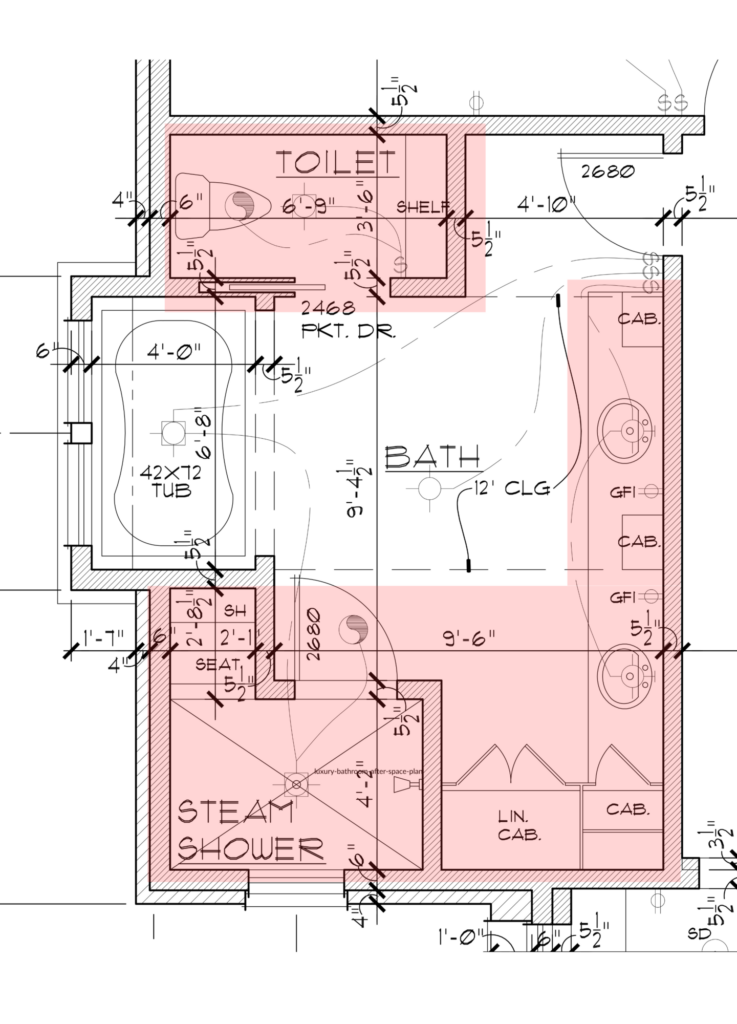
Original Layout
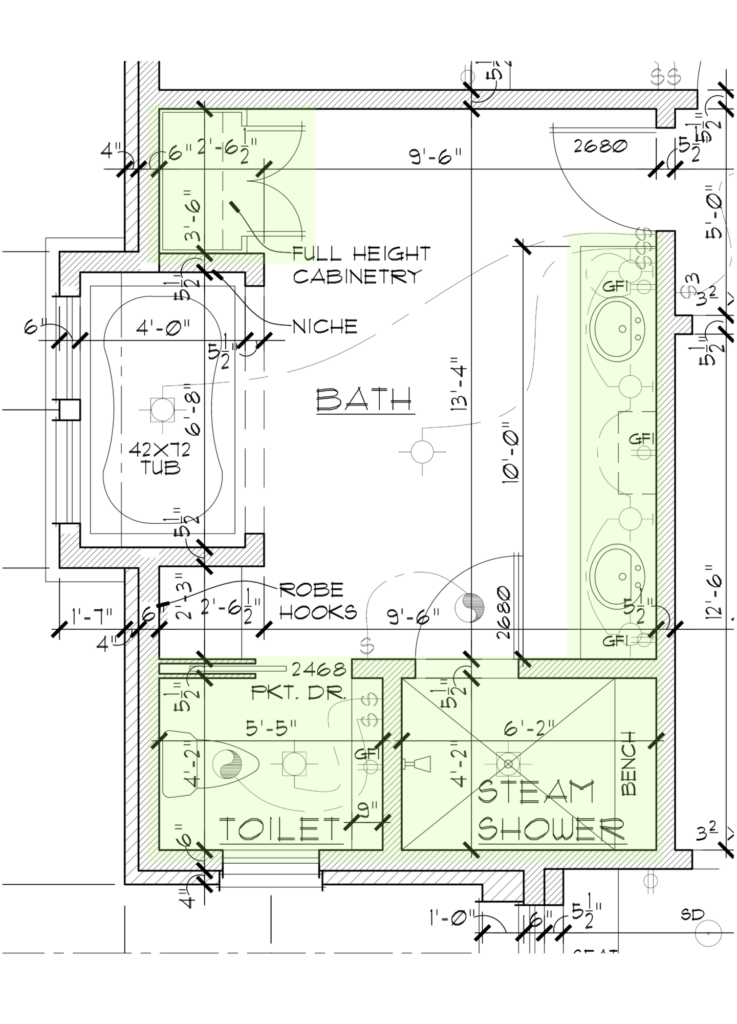
Revised Layout
I revised the drawings. The toilet water closet was repositioned to take advantage of the window, bringing natural light exactly where it belongs. The vanity was recentered on the tub area, creating a natural focal point and a sense of symmetry the original plan was missing. The layout opened up. The bathroom went from feeling like a series of disconnected elements to feeling like one cohesive, considered space.
And it happened before a single wall was framed.
Selections, Order, and Budget Strategy
Selections need to happen in construction order, not all at once. Making decisions too late, or in a panic, creates timeline problems and budget bleed that are difficult to recover from.
One thing that surprises many clients: my scope includes both interior and exterior selections. Most designers work exclusively on the inside of a home. I handle everything, roofing, siding, masonry, windows, exterior doors, and exterior millwork, all the way through to interior finishes. That means the entire home has a cohesive design eye on it from the outside in, not just from the front door forward.
Budget strategy is woven into every decision. Most clients want elevated finishes in their primary bathroom and kitchen, and secondary bathrooms can absorb more modest selections without compromising the overall feel of the home. I know where spending more makes a lasting difference and where it doesn’t.
And I want to be direct: a designer cannot create a budget that doesn’t exist. If you want luxury finishes, they cost more than standard. My job is to help you spend your budget well. The clearer we are about that budget from the beginning, the better decisions we can make throughout the process.
The Vendor Relationships
One of the most tangible ways a designer offsets their fee is through vendor relationships the general public simply doesn’t have access to.
I’ve sourced flooring through a trade vendor whose bids came in $20,000 to $30,000 below major retail showrooms for comparable product. On one project, that single relationship saved my client more than my entire design fee.
Trade discounts extend across every category, lighting, plumbing, cabinetry, furnishings. And beyond pricing, trade vendors stand behind their product. If something fails two years from now, there’s recourse. That’s not something you get ordering from a big box retailer.
We are not just making selections. We are opening doors to a sourcing network that took years to build.
The Preliminary Presentation
By the time I present selections to you, I’ve already researched, sourced, compared, and eliminated, measuring every option against your budget, your aesthetic, your lifestyle, and everything else already in play in your home. What you see isn’t a sea of options. It’s a curated, intentional edit.
And if something doesn’t land? That’s fine. These presentations are a conversation, not a test. That feedback tells me exactly what to look for next time, and the next presentation is better for it.
What most clients don’t realize at this point is that the greatest value isn’t the presentation itself. It’s the relief.
Clients often think they’re hiring me to help make decisions. What they’re really hiring me for is relief. Relief from endless research, relief from wondering if they’re making the wrong choice, relief from carrying hundreds of decisions alone over months, sometimes years. Decision fatigue on a custom home build is real. My role is to carry the weight of the process with you, so every choice doesn’t feel like another item on an already overwhelming list.
Watching It Come Together
Construction is not beautiful. For months, sometimes the better part of a year, you’re looking at framing, drywall, and dust. It can be hard to stay connected to a vision when the reality in front of you looks nothing like it.
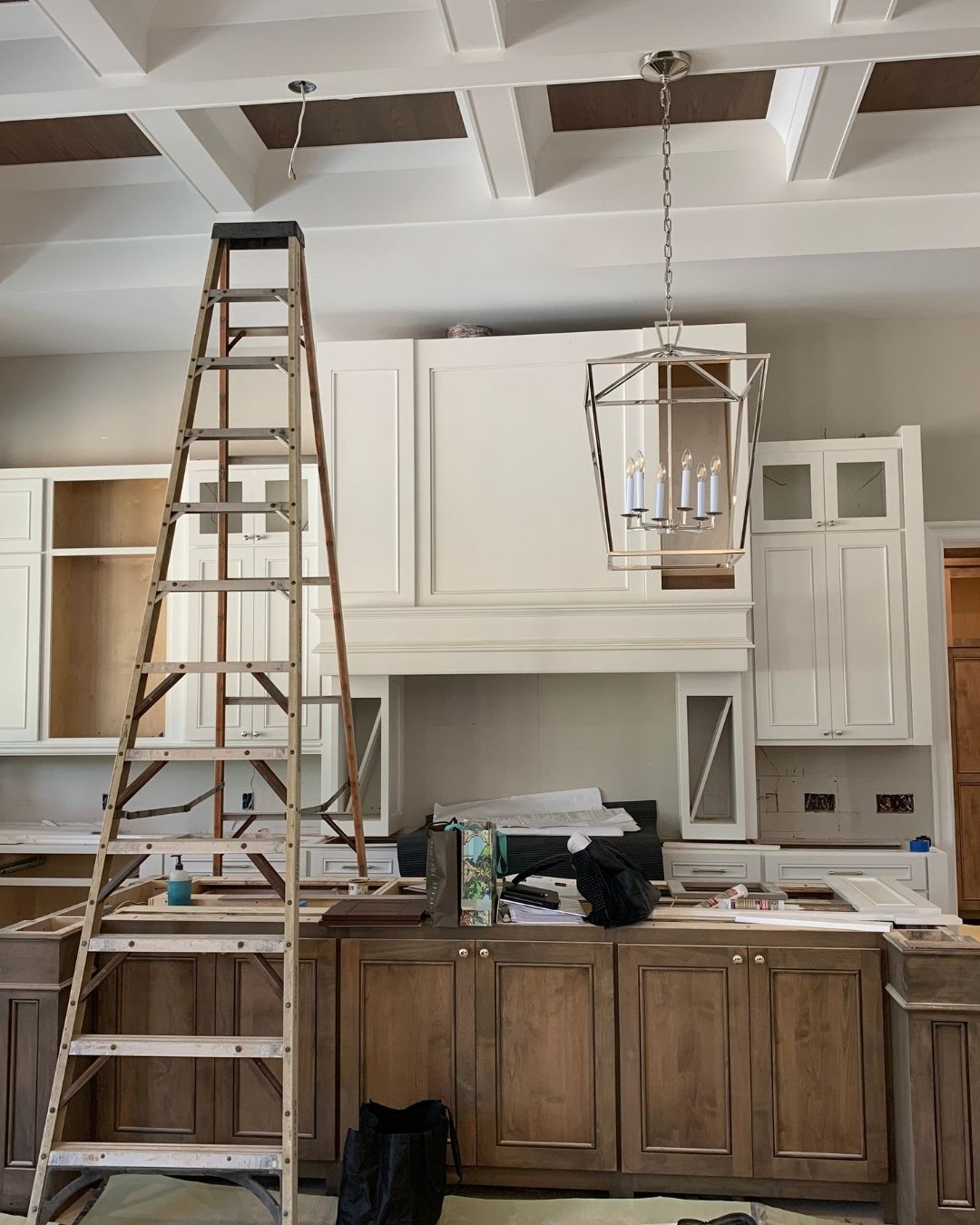
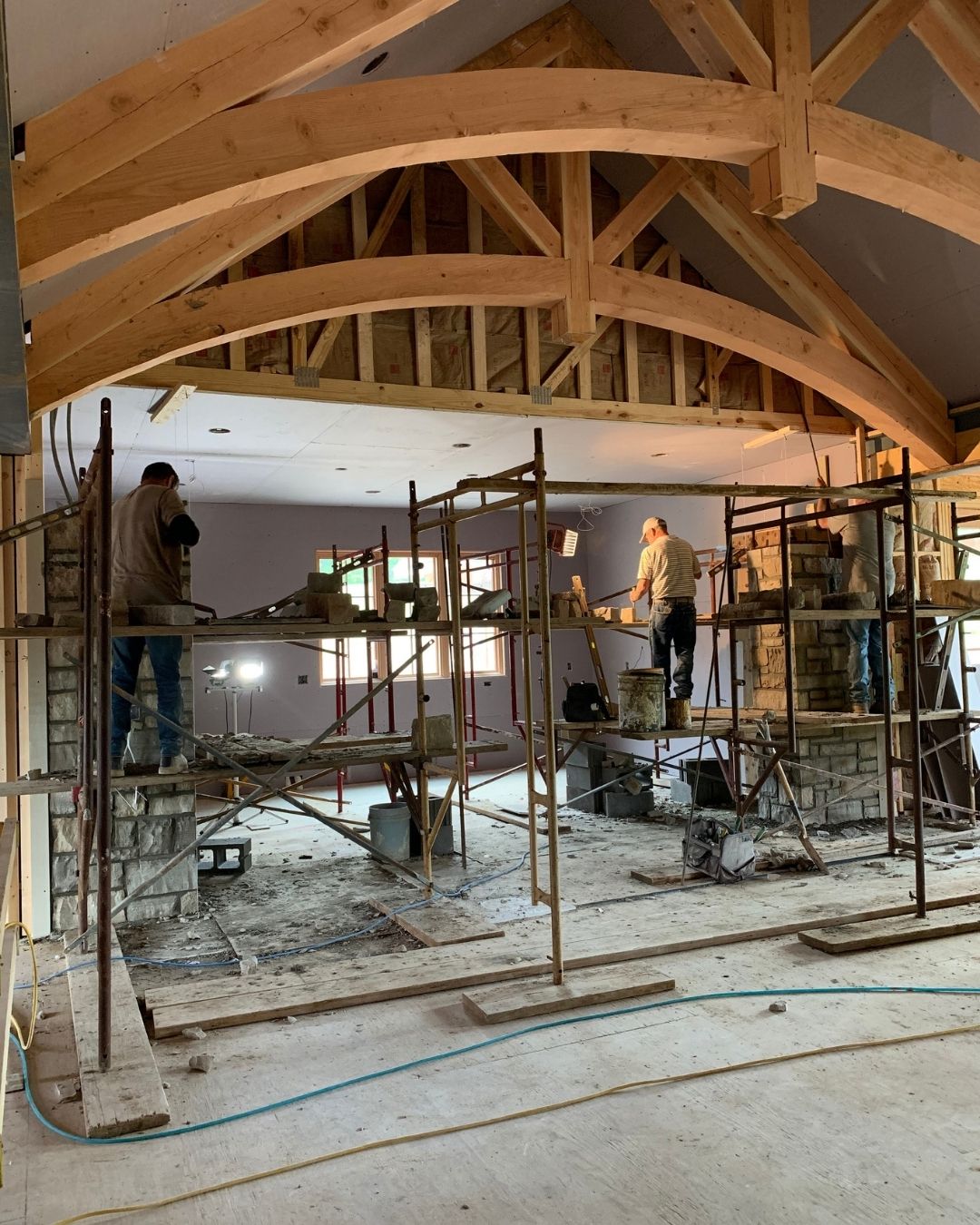
But then drywall goes up. And something shifts. The flooring goes in and you see the warmth you’ve been selecting toward. The tile pattern gets set and you’re grateful you saw the drawing first. The cabinetry arrives and the kitchen starts to feel real.
Each decision made with confidence rather than panic, it all compounds. By the final phase, clients aren’t relieved the process is over. They’re proud of every decision they made along the way.
The Details No One Else Is Watching
Throughout the entire build, I carry your project in my mind, which tile is going in which bathroom, what finish the plumbing fixtures are in each space, what countertop we selected and where, what lighting fixture is going over that dining table. All of it. At every stage.
So when I’m on site, which I am, regularly, I’m not just checking in. I’m walking through that space with the finished home already in my head, measuring what’s being built against what it’s supposed to become.
I’ve caught a foundation pour at the wrong height, specified for nine feet, poured at eight. I’ve found errors in window packages before they shipped, wrong sizes, wrong grills, wrong finishes. I’ve caught mistakes in cabinetry drawings before fabrication. I’ve caught a tile about to be installed in the wrong bathroom. I’ve flagged framing that wasn’t aligning correctly, the kind of shortcut that happens when someone thinks no one is watching closely enough.
Someone was watching.
This isn’t something I turn on for certain projects. It’s how I work on every single one. I have an emotional investment in getting it right, not just getting it done. And that investment protects you in ways that are very difficult to put a price on, but very easy to understand when you consider what it would have cost if those mistakes had gone unnoticed.
Furnishings and Final Styling
The last phase is furnishings and final styling, space planning, furniture selection, fabrics, rugs, window treatments, additional lighting, artwork, and accessories. This phase pulls everything together into a finished environment that reflects who you actually are.
One thing that sets this process apart is that we begin the furnishings phase during construction, not after. Starting early allows us to account for long furniture delivery lead times, as quality pieces can take months, so nothing is rushed or compromised at the finish line. Being in the physical space also allows us to measure rooms as they’re actually built, confirm that furniture feels right in person, and plan exactly where curtain rods and picture hanging will go so that proper blocking and support can be added during framing before the walls are closed. What looks right on a space plan doesn’t always feel right in person. Being there early means we catch that before it’s too late to adjust.
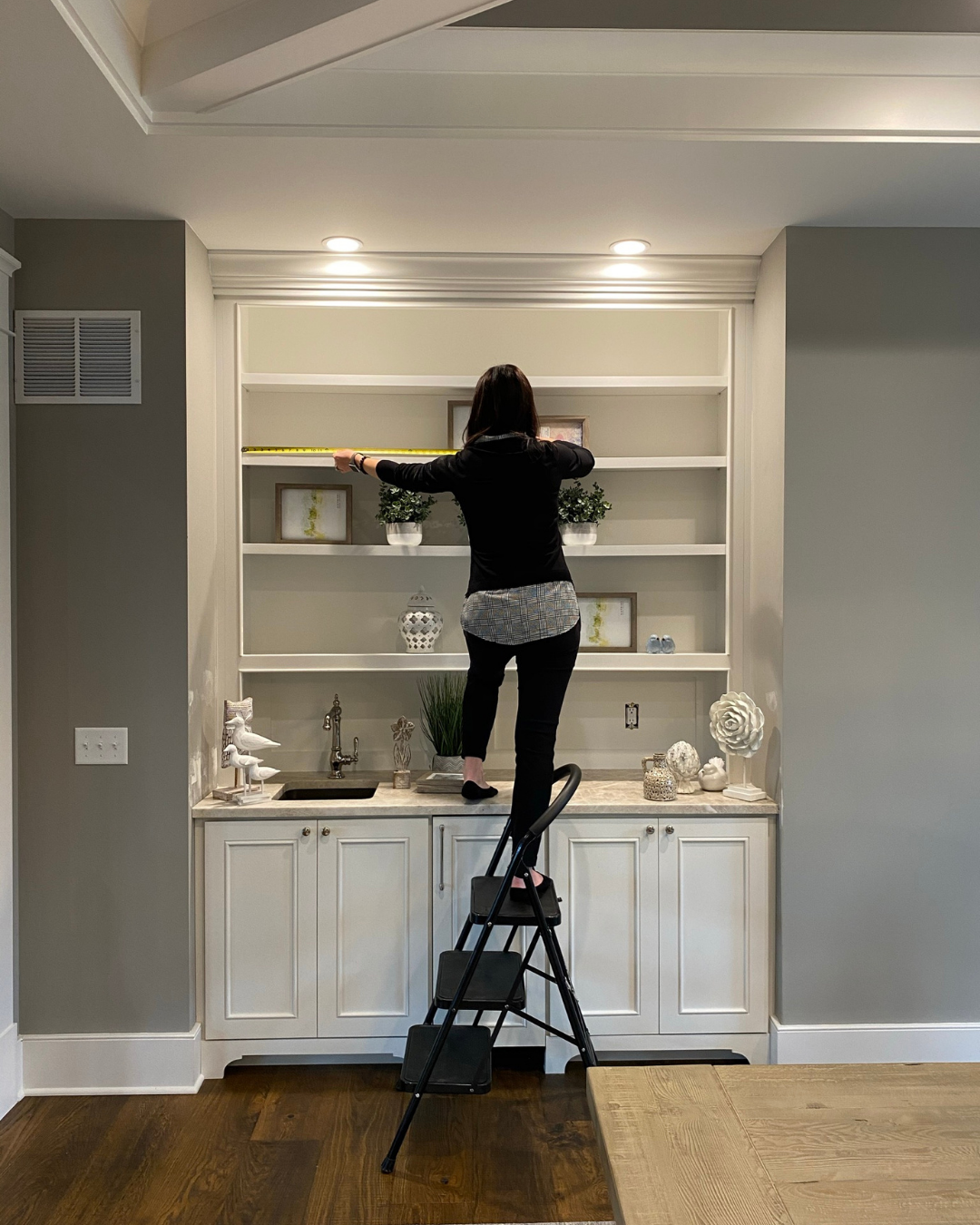
For clients who come to us specifically for furnishings and styling, whether after a renovation or in an existing home, the process adjusts to where you are. We work from measurements, photos, and site visits to develop a space plan that fits your actual life in the space. The same attention to scale, flow, and cohesion applies. The timeline simply meets you where you are.
Walking into that home for the first time, after all of the decisions, drawings, presentations, and construction meetings, is one of the most quietly extraordinary parts of this work. You don’t see everything that was managed and protected to get here. You just feel the result.
The house has grown into something you created together. And it is beautiful.
I make the complicated feel calm. That's the job.
carrissa hickey

Ready to Talk About Your Project?
Most people don’t hire a designer because they can’t choose a faucet. They hire one because they’re about to make hundreds of decisions on one of the largest investments of their lives, and they don’t want to carry that weight alone.
If you’re planning a custom home or renovation and wondering where to begin, I’d love to have that first conversation.
Stay Inspired
If you enjoy this kind of behind-the-scenes design perspective, I share a monthly design letter where I go deeper into the process, seasonal inspiration, and intentional ways to approach your home throughout the year. You’re welcome to join if you’d like to be part of it.
Live With More Intention
Intentional homes rarely happen by accident. They are built slowly through small decisions repeated over time.
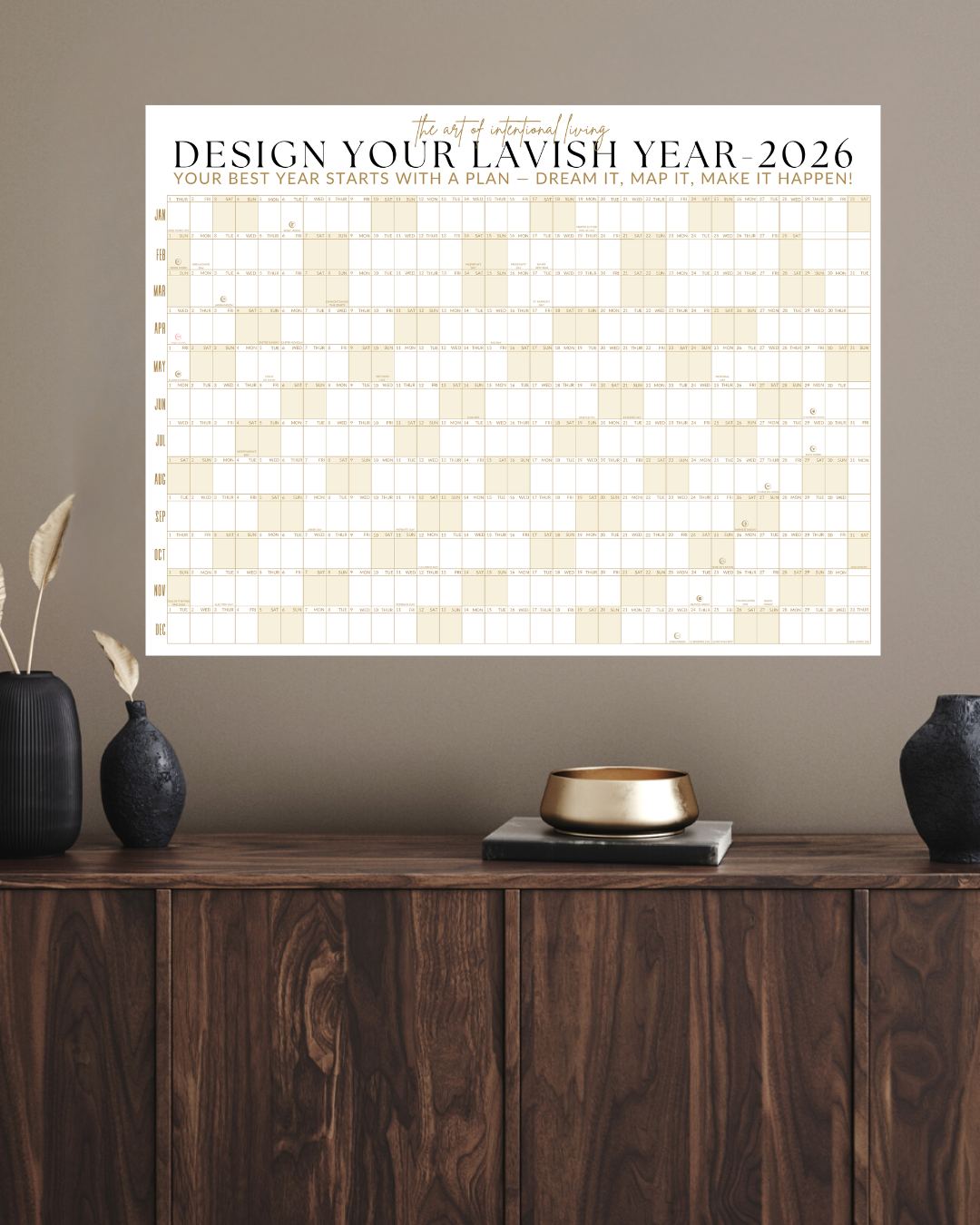
The Lavish 2026 Signature Wall Calendar was designed to help keep those intentions visible all year long—a 36″ x 48″ visual planning canvas available in Slate and Sandstone.