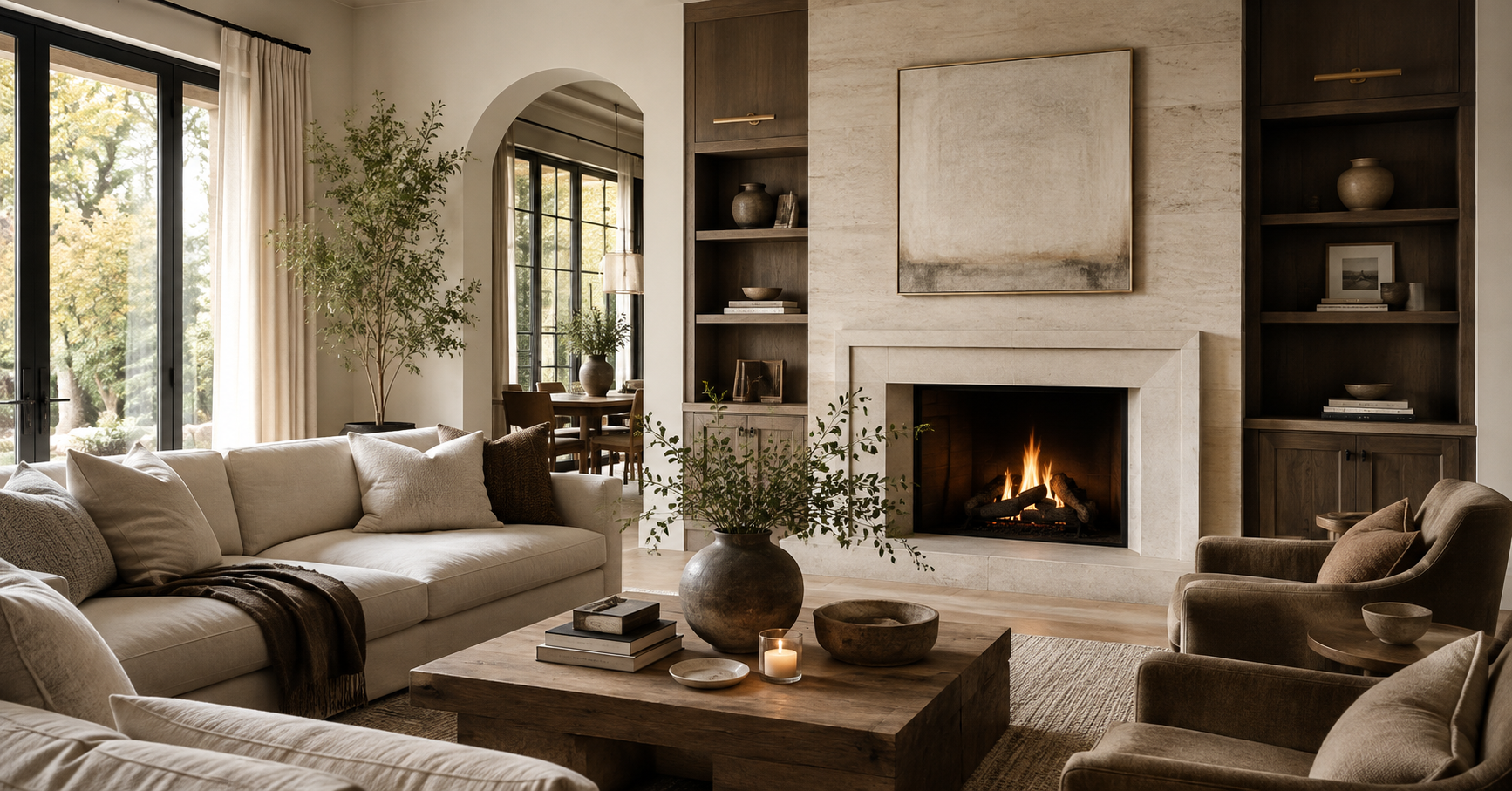


Custom home design decisions establish the foundation every finish selection builds upon.
Your builder has a schedule for your selections. But do you have a strategy for making them?
After twenty years at the intersection of architecture, luxury construction, and interior design, I’ve learned that the hardest part of a custom home isn’t finding beautiful options. It’s knowing which custom home design decisions should guide the hundreds that follow.
A custom home is built one decision at a time, but not every decision carries the same weight. Your builder is thinking about lead times, construction schedules, and making sure every trade has what they need when they arrive on site. Those decisions keep the project moving. But there’s another layer that determines whether the finished home feels intentional: knowing which design decisions need to happen first.
The most beautiful homes aren’t beautiful because every individual choice is beautiful on its own. They’re beautiful because every choice belongs to the same story. Before the countertops, tile, lighting, and finishes get selected, there has to be a foundation that gives every decision after it a place to belong.
Why This Happens
That foundation should begin long before the first showroom appointment, but it rarely gets named intentionally. Many homeowners discover it along the way instead, one selection at a time, without realizing there was a bigger story waiting to be defined first.
A builder’s selection schedule is built around the realities of construction. Windows are often one of the first major decisions because lead times can affect the entire project timeline. Plumbing fixtures need to be selected early so rough-ins can be completed correctly. Lighting tends to follow closely, and not just for installation timing, its finish and scale need to feel like they belong in the same home as the plumbing fixtures next to it, not like each was chosen from a different showroom.
That foundation often begins even earlier, before interior selections are on the table. Exterior materials, windows, doors, and architectural details establish the language the interior should continue. Brick, stone, siding, roof materials, and window finishes all become part of the story the home is telling long before you walk into a showroom for tile or plumbing.
Those decisions are necessary. They keep a project moving. But construction timing and design direction aren’t always the same thing.
Without a foundation guiding those choices, homeowners can end up moving from one appointment to the next, choosing whatever’s directly in front of them.
A window company focuses on windows. A plumbing showroom focuses on plumbing. A lighting showroom focuses on lighting. Each expert brings real knowledge within their category, but no one appointment is designed to hold the entire house in view while decisions are being made.
Every individual choice can be beautiful. The challenge is making sure they’re beautiful together.
That’s how homes end up feeling disconnected, not because any one decision was wrong, but because the choices were never anchored to the same story. The most intentional homes aren’t created by choosing the most beautiful option in each room. They’re created when every decision has a reason for belonging.
A Real Example
I saw this recently on one of my larger renovation projects. The existing cabinetry and flooring were staying, so the goal wasn’t to reinvent the home. It was to understand what was already there and make selections that elevated the feeling.
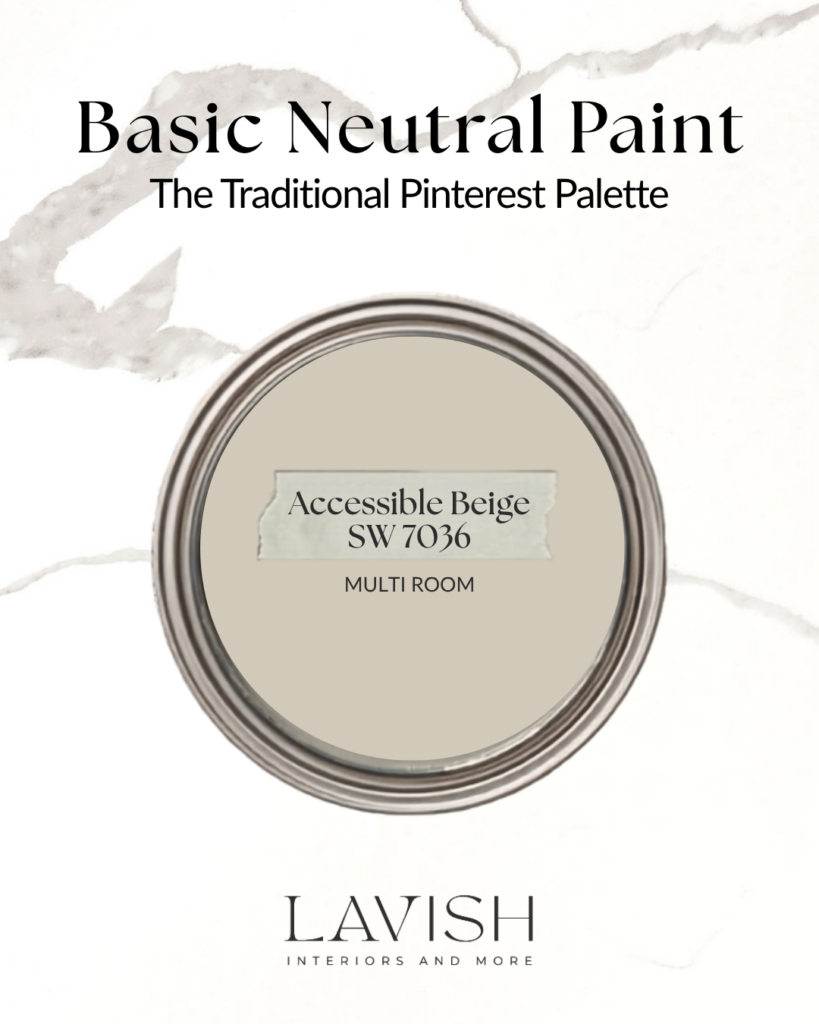
The homeowner initially leaned toward white quartz countertops because it’s what she kept seeing on Pinterest. A complimentary Sherwin-Williams in-home color consultation had also recommended Accessible Beige throughout the home.
Neither recommendation was wrong.
White quartz is a beautiful choice. Accessible Beige is a timeless neutral. Both work beautifully in the right setting.
But after getting to know my client, her style, and the feeling she wanted her home to have, we discovered something different. On her design brief, she’d selected Organic & Natural and Cozy & Layered as her ideal home aesthetic. The existing wood cabinetry and architecture were already telling that story. The selections just needed to support it.
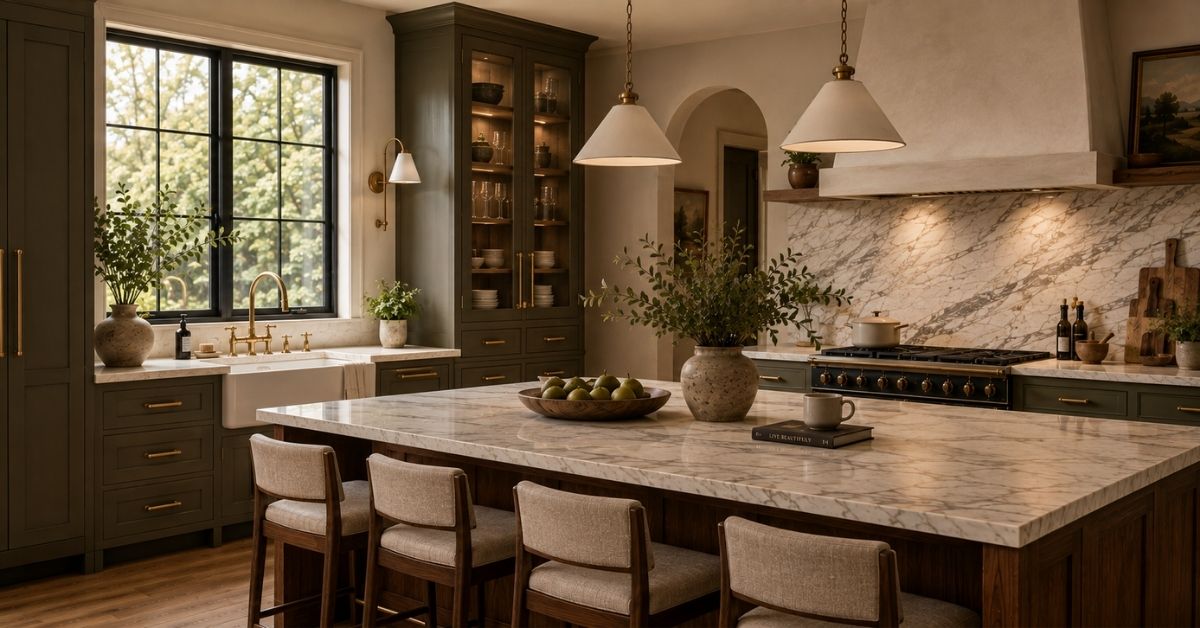
Instead of a bright white countertop, we chose Taj Mahal quartzite and carried it up the backsplash, letting one natural material create a quiet, intentional backdrop.
For the paint, we developed a five-color palette that gave each room its own personality while ensuring the entire home felt cohesive.
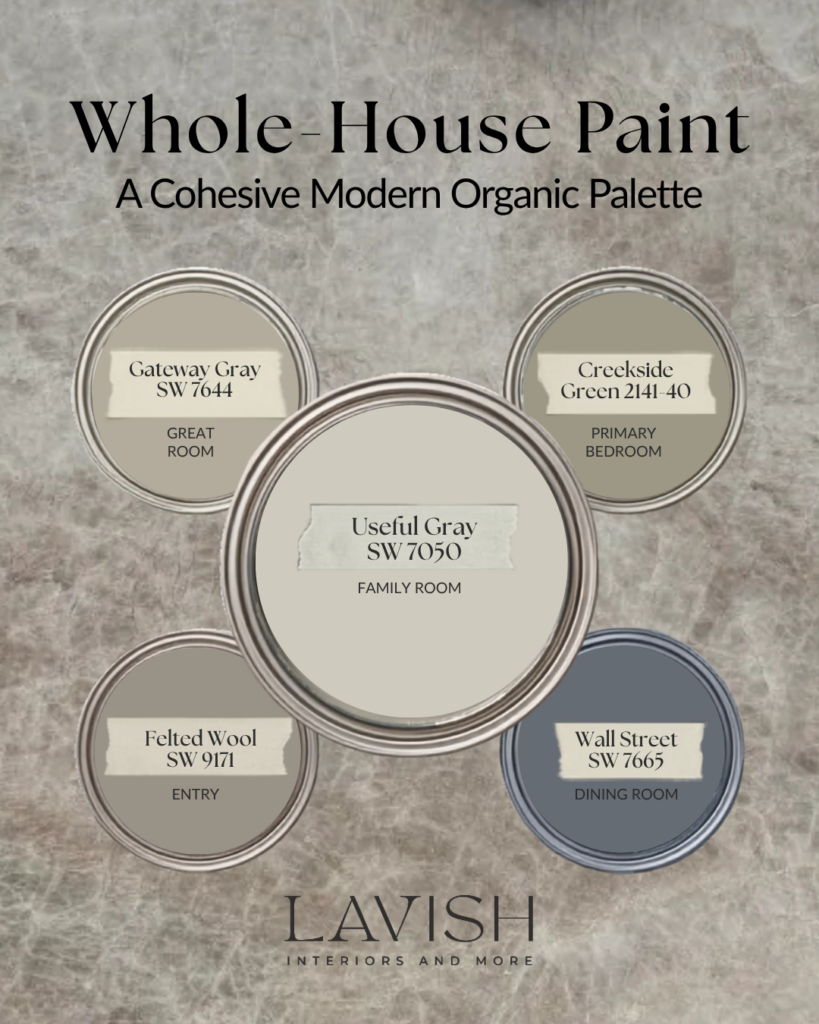
Entry
Great Room
Primary Bedroom
Dining Room
Family Room
Five colors. One house. Every decision still answering to the same story.
A product recommendation isn’t the same as design. A paint rep can tell you what’s popular. A stone showroom can tell you what’s in stock. Neither one is standing in your foyer, your dining room, and your primary bedroom at the same time, asking how each of those rooms needs to feel and how they all need to feel like they belong to each other.
That’s the difference between advice and design, and it only happens when someone names the foundation before the selections start.
The goal is never to remove your personal choices from the process. It’s to give those choices a framework, so the home reflects you instead of becoming a collection of things you loved separately.
The Three Custom Home Design Decisions
Decision One: Style Direction
The first of the three custom home design decisions is establishing your style direction. Style direction is more than choosing between modern and traditional. It’s the foundation that helps every other decision in the home make sense.
Every home has its own architectural language. Which one feels most like yours?
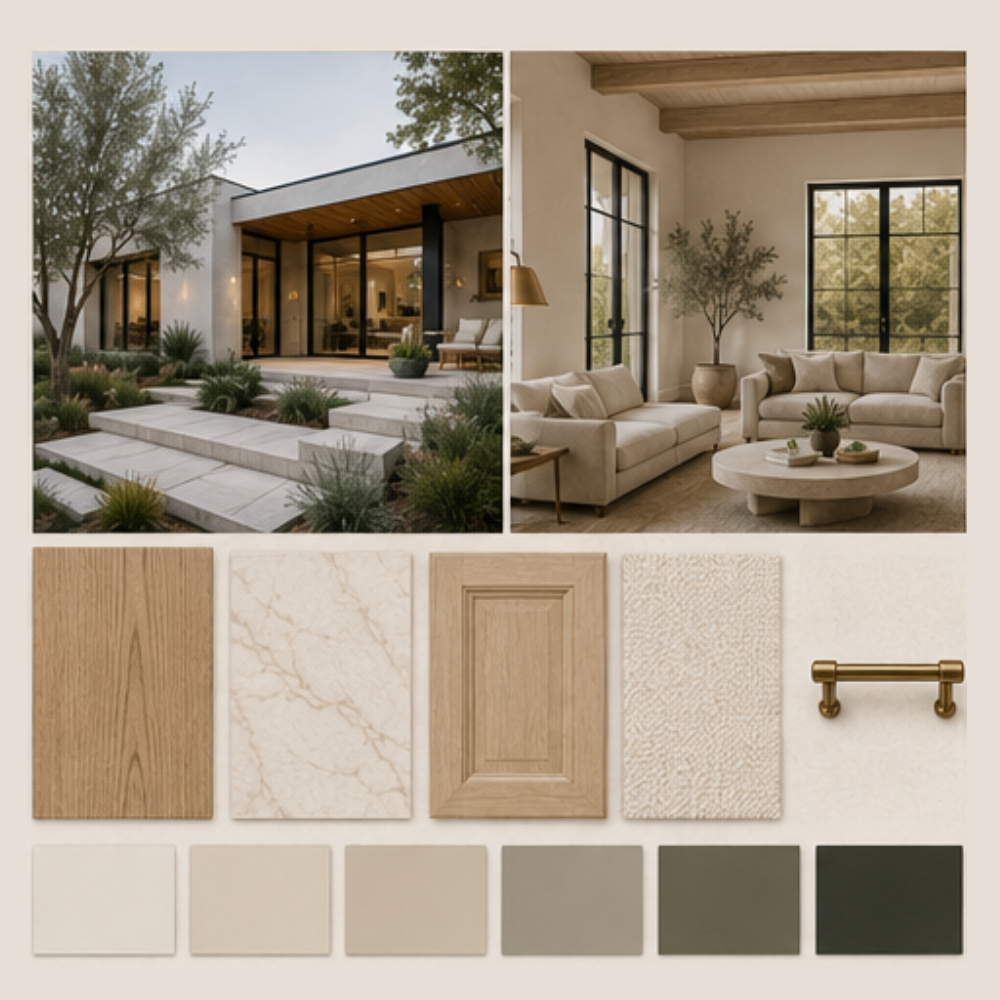
Organic Modern
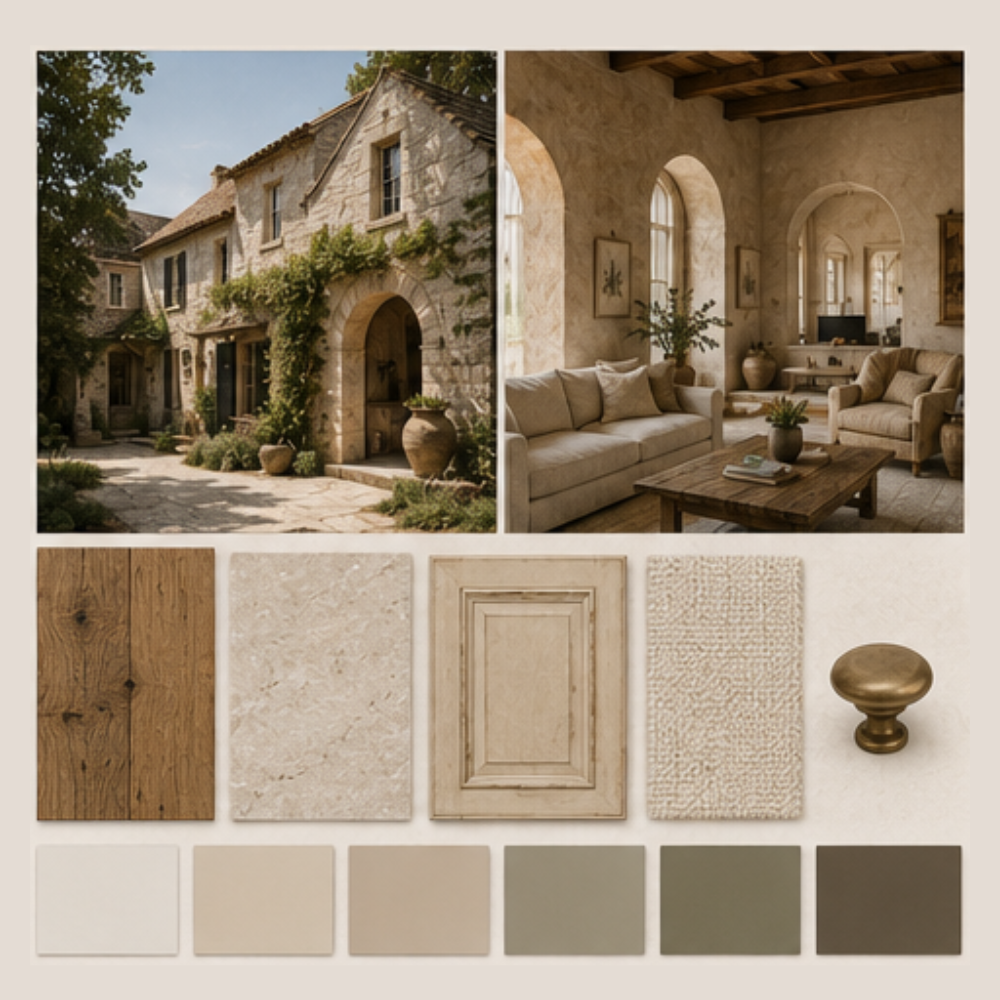
European Organic
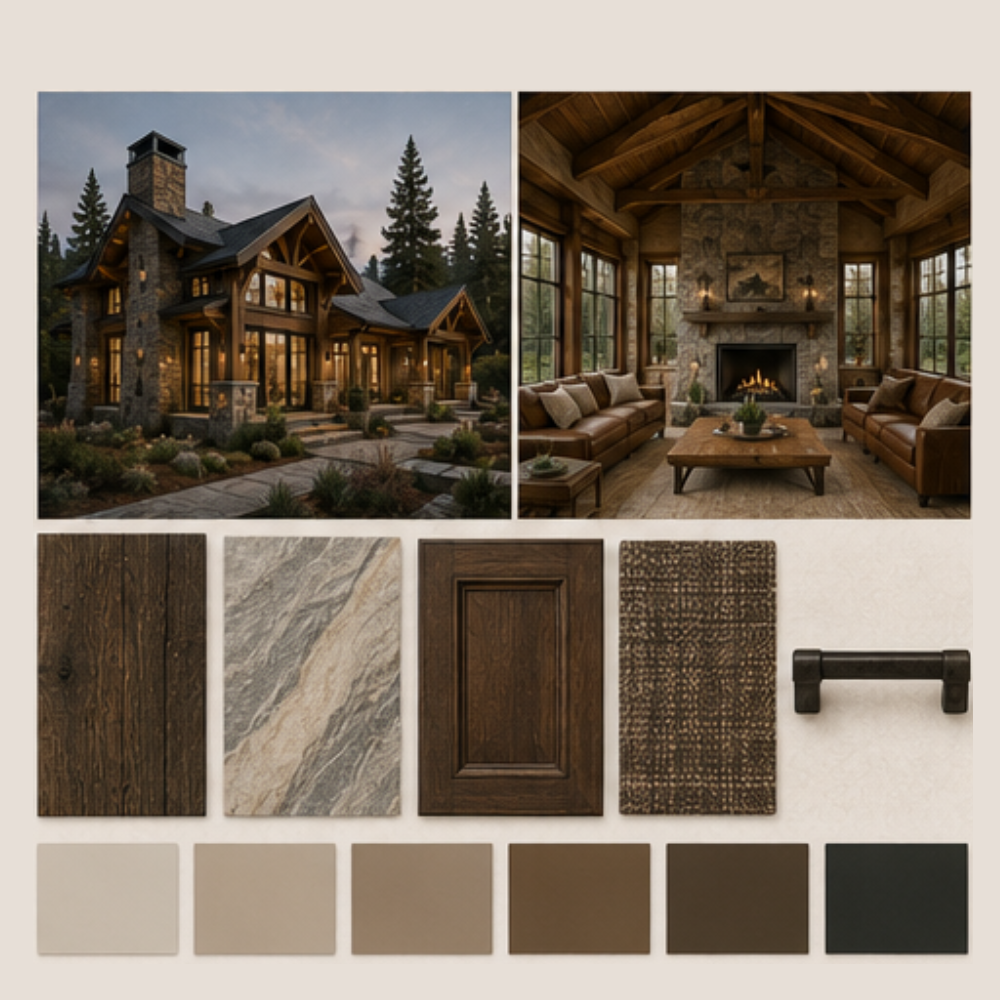
Mountain Modern
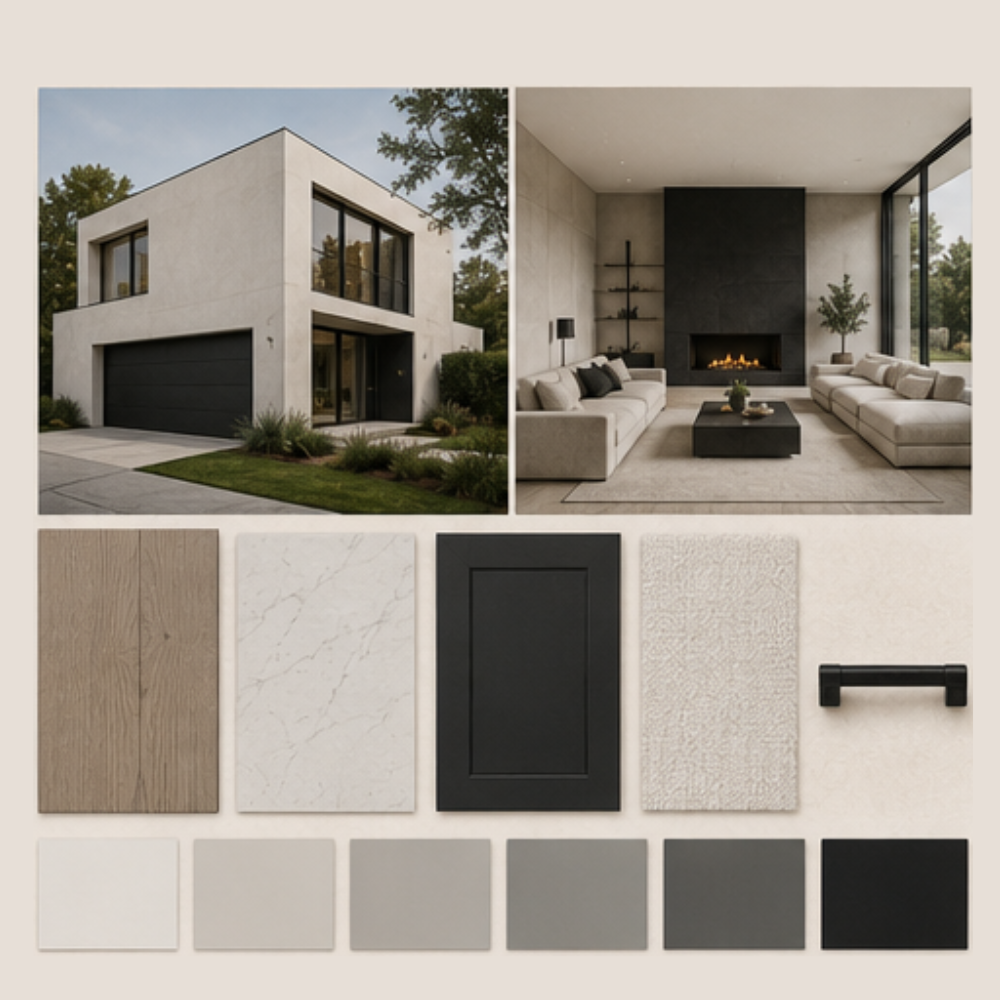
Modern
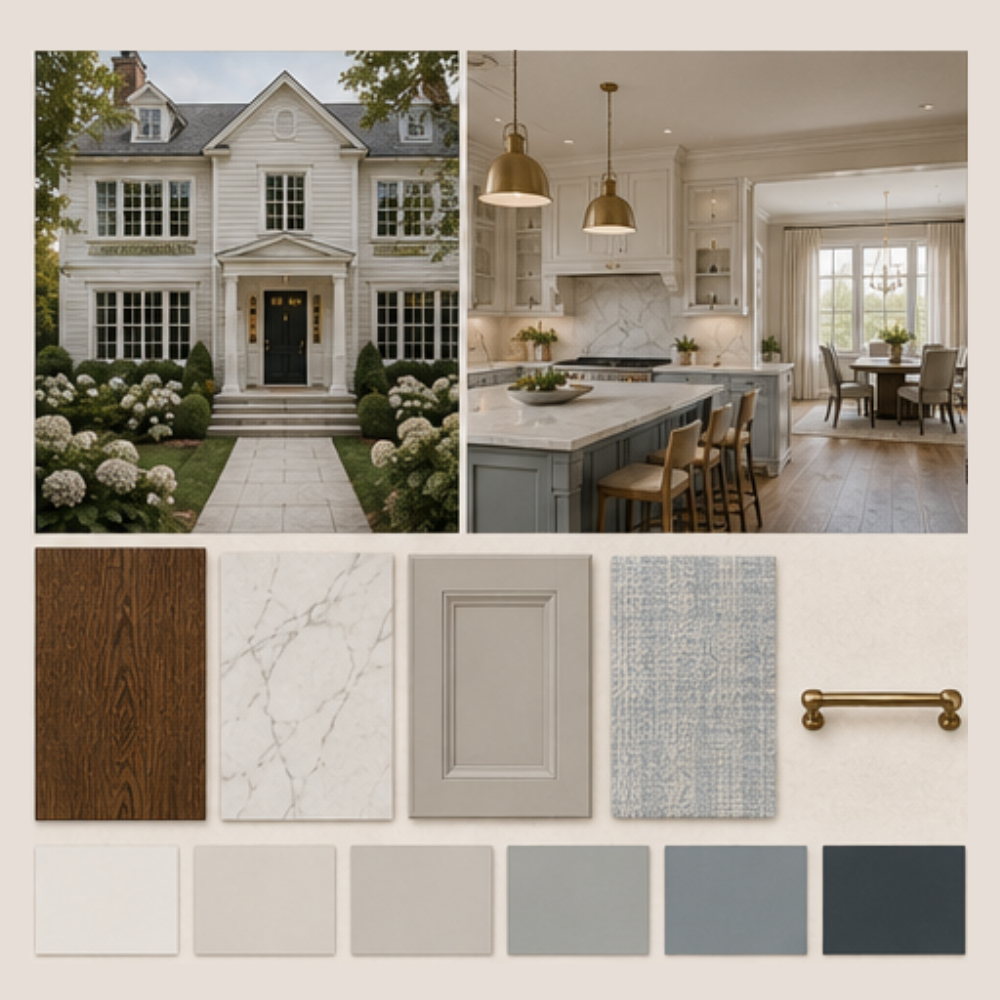
Transitional
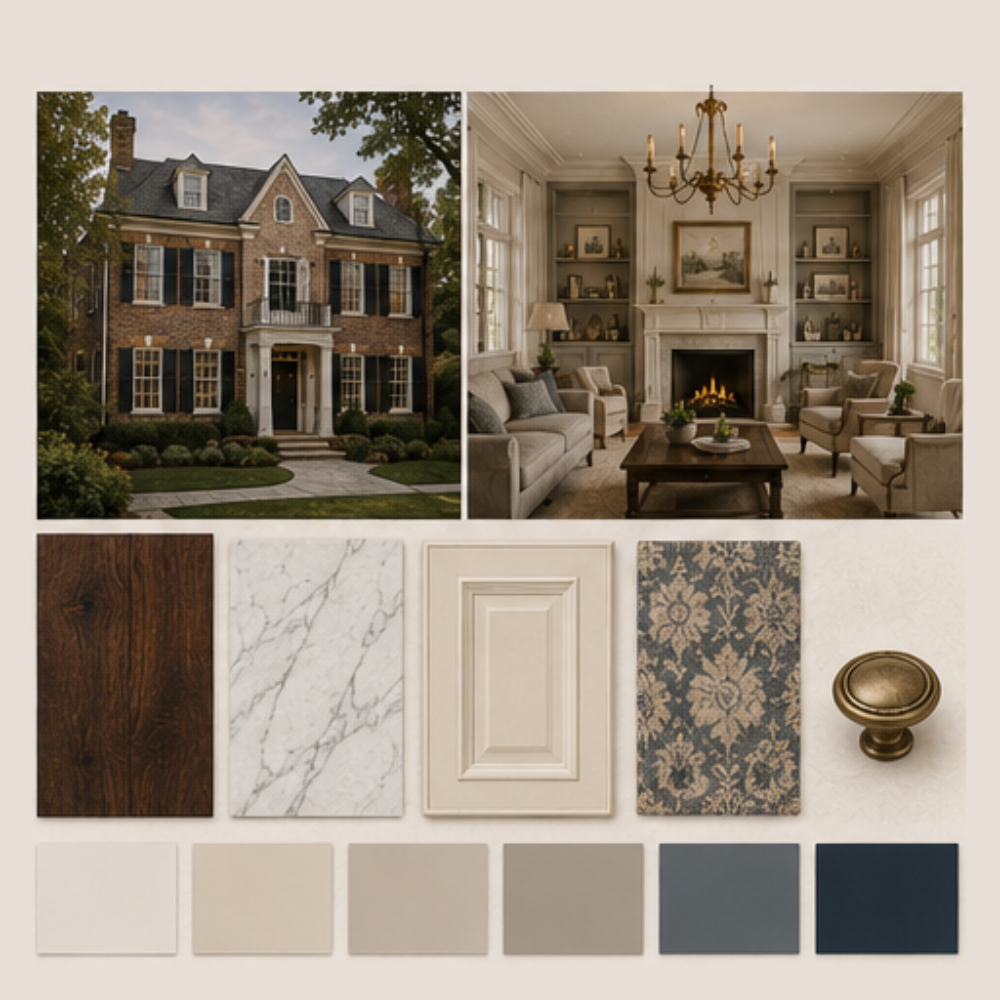
Traditional
The first layer is the architectural language of the home. Does it lean modern, traditional, or intentionally combine elements of both? This creates the visual vocabulary for the entire house and guides the level of detail, shape, texture, and materials that follow. Clean-lined and quiet toward modern. More layered and detailed toward traditional.
The second layer is the feeling you want the home to create. This is where your personality, lifestyle, and the way you want to live begin to shape the design. Your den can be moody and curated. Your living room can be warm and inviting. Your bedroom can feel calm and restorative. The rooms don’t need to feel identical, but they should feel connected.
This becomes especially important when two people are bringing different preferences into the same home. One person may gravitate toward clean, modern lines while the other is drawn to warmth, character, and traditional details. The goal isn’t for one style to win. The goal is to understand the common thread that allows both to belong.
The most beautiful homes often blend influences. A clean-lined modern console can sit beautifully beside a more traditional piece when there’s intention behind the relationship between them: a shared material, color palette, proportion, or overall feeling. Without that foundation, individual selections can compete. With it, they create a home that feels layered, personal, and cohesive.
When both layers are defined, every selection has something real to answer to. The result isn’t a collection of beautiful rooms, but a home where every space feels like it belongs.
Decision Two: Metal Finish
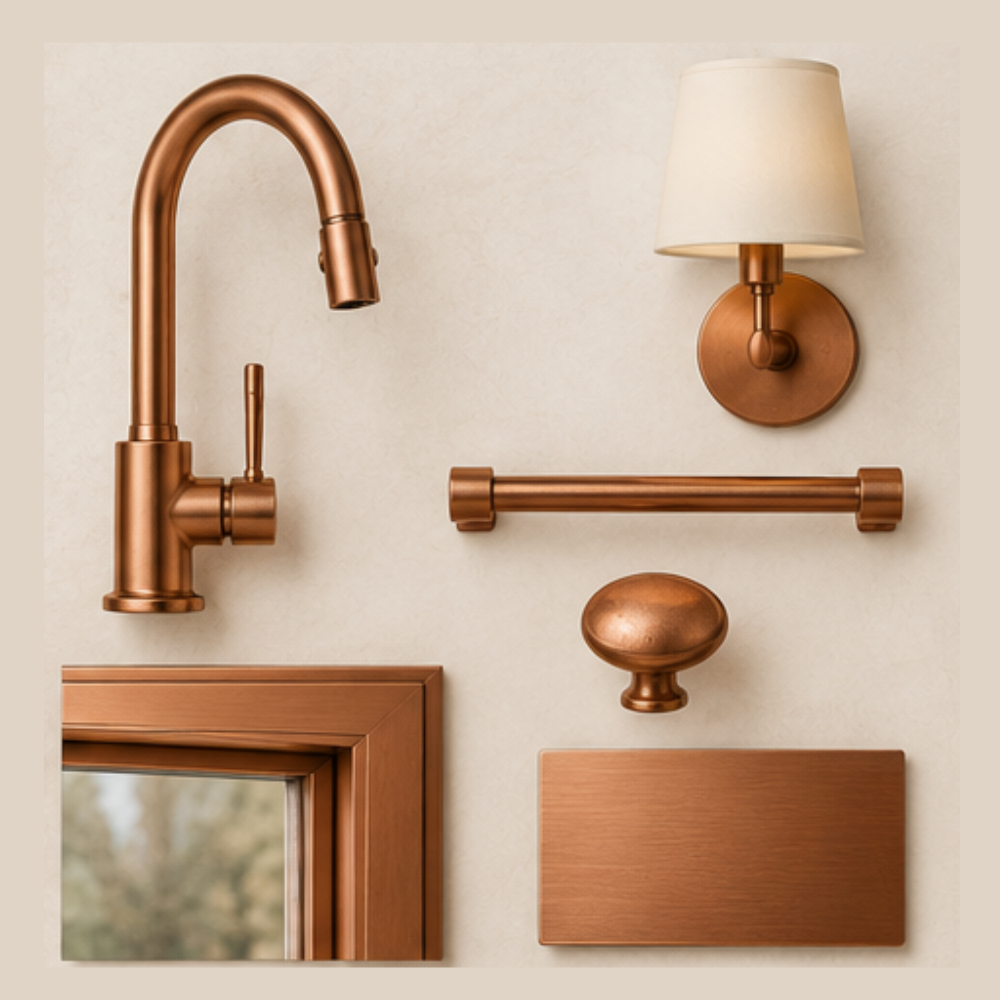
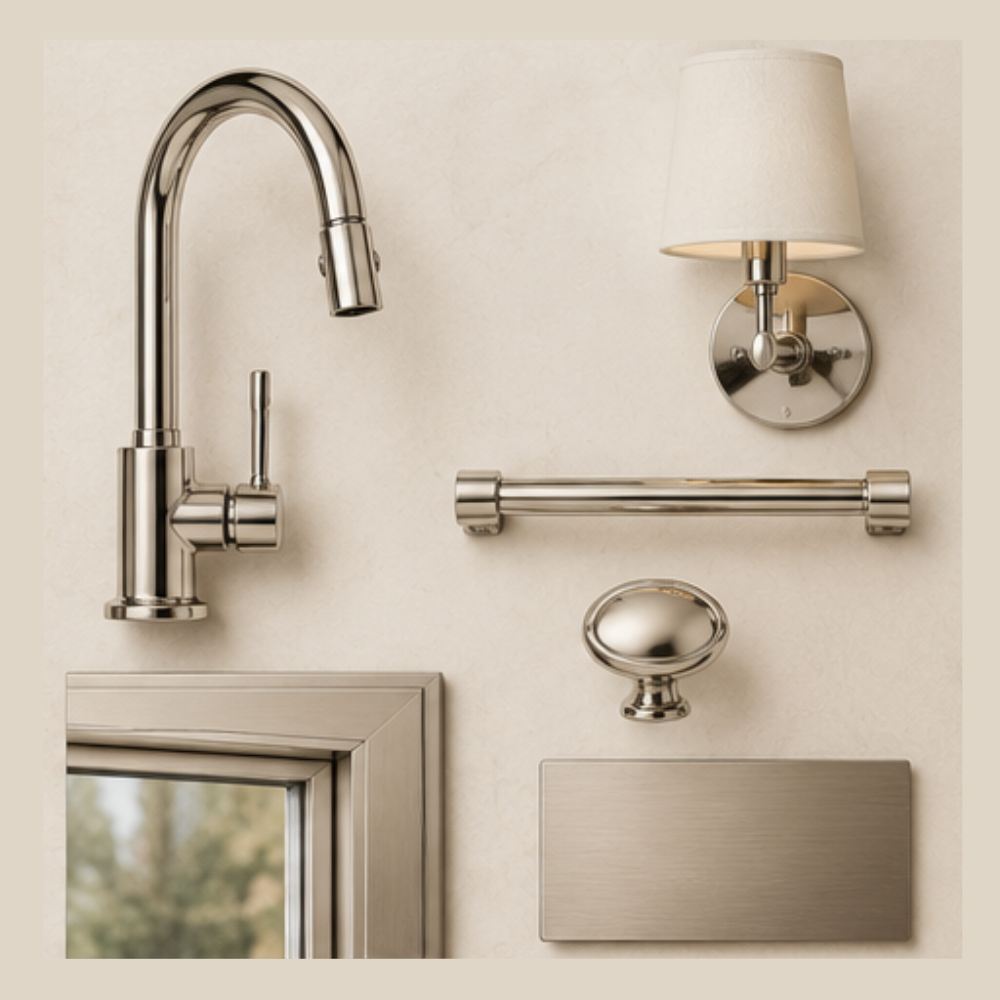
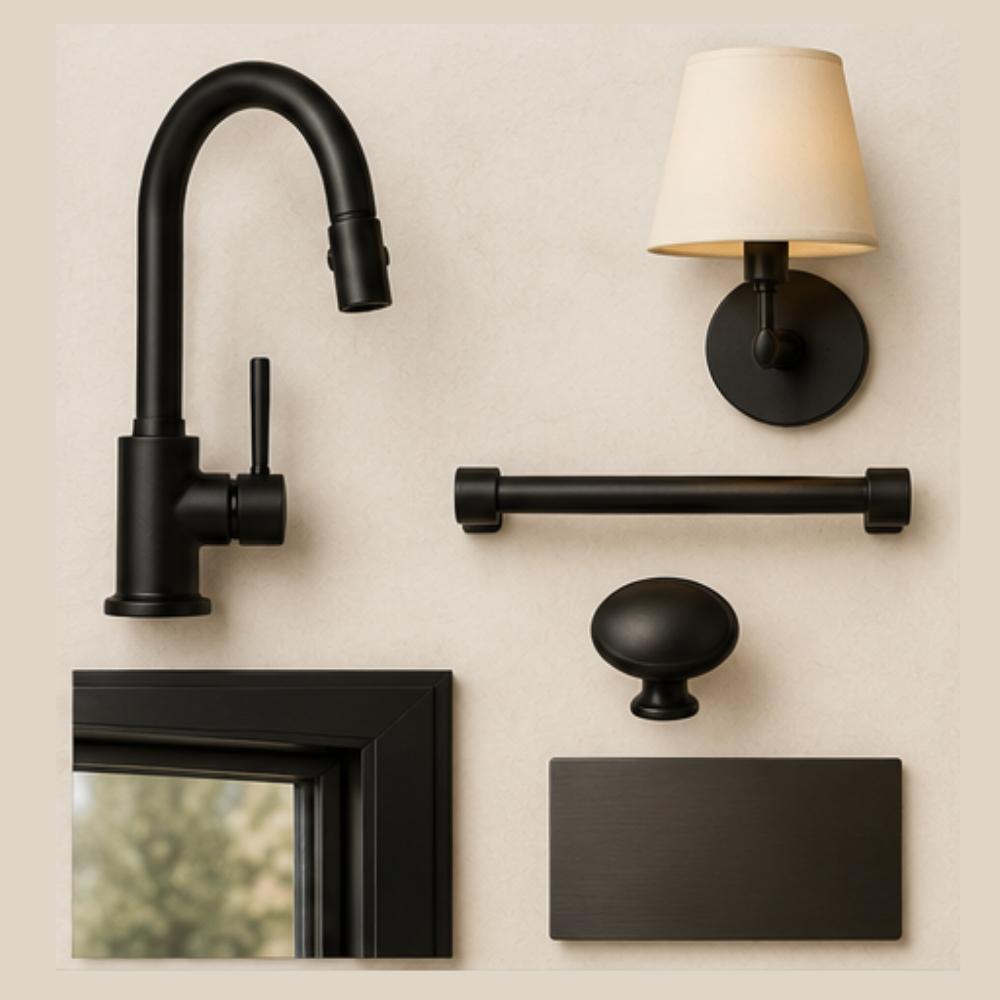
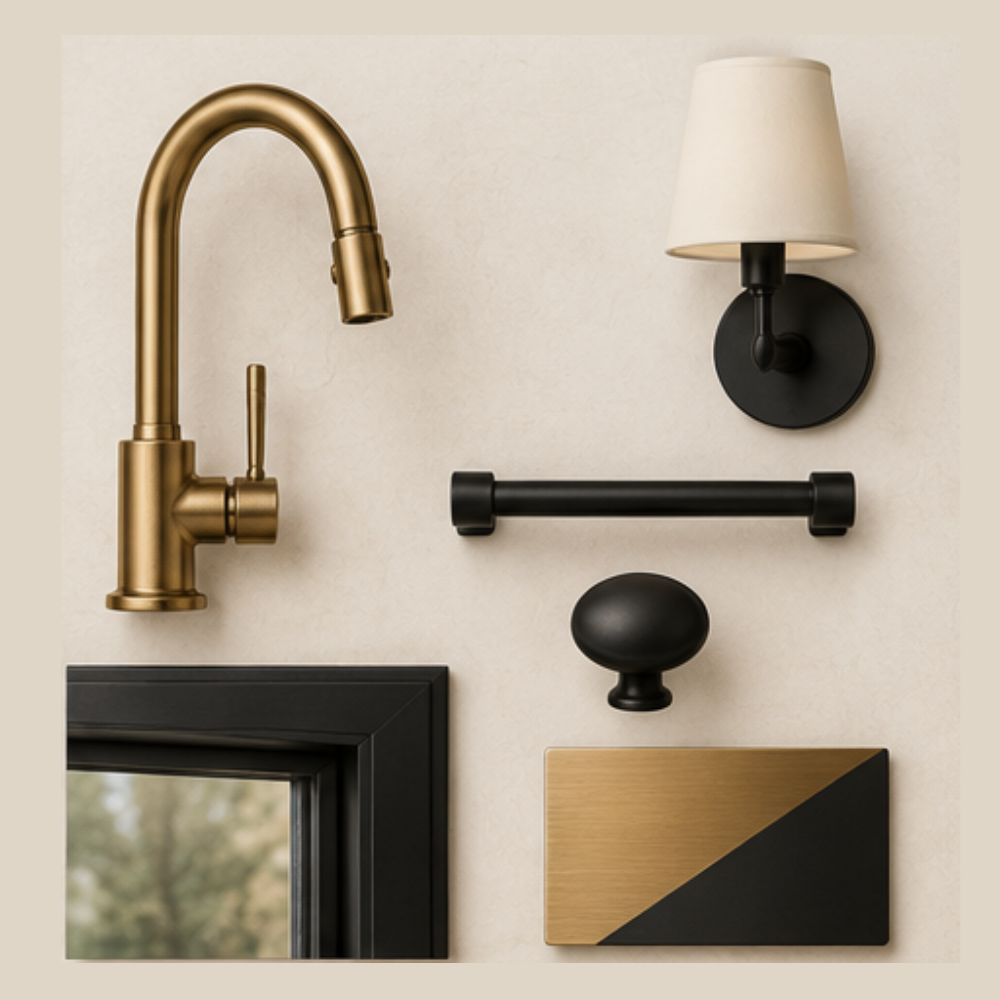
The second of the three custom home design decisions is choosing the overall metal direction for your home. Metal finishes aren’t just individual selections. They’re part of the design language of the entire home. Before walking into a plumbing, lighting, or hardware showroom, there should already be a clear direction for how the metals work together.
Every home has an overall metal direction. Before choosing individual fixtures, establish the overall metal direction for your home.
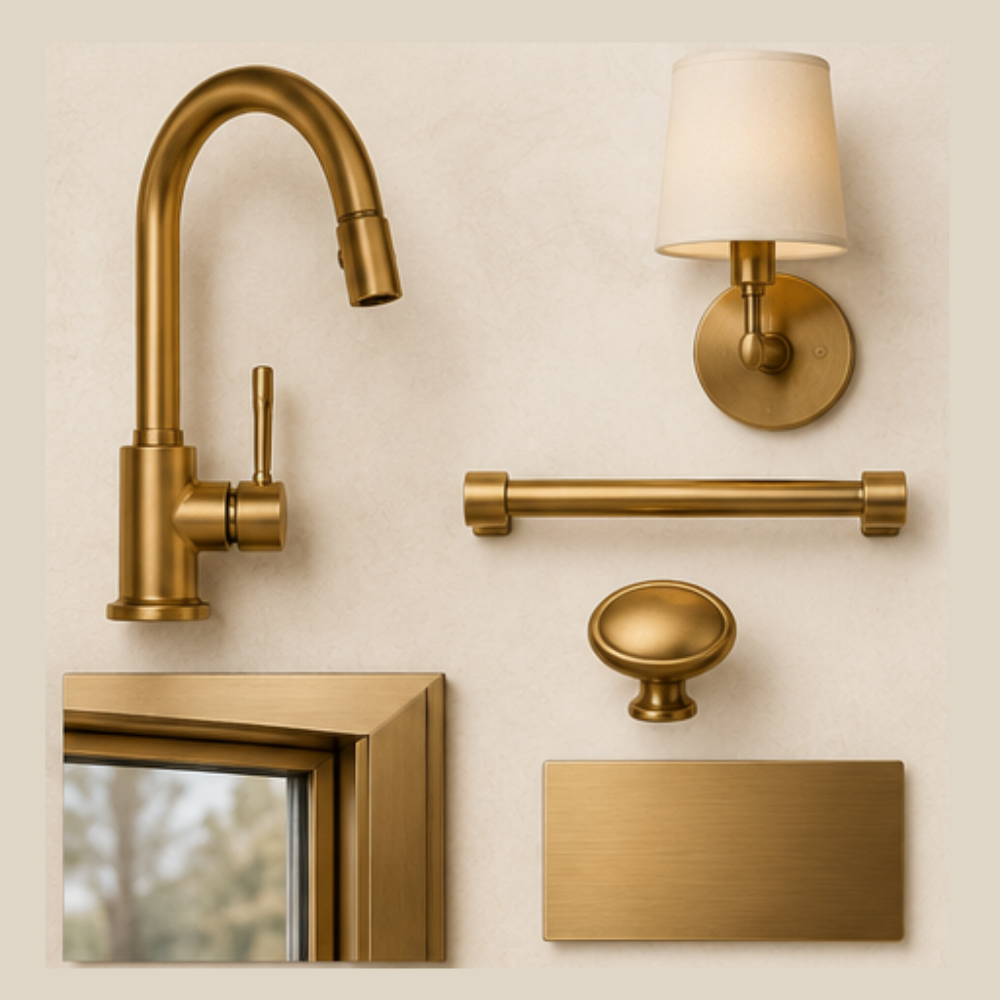
Brass
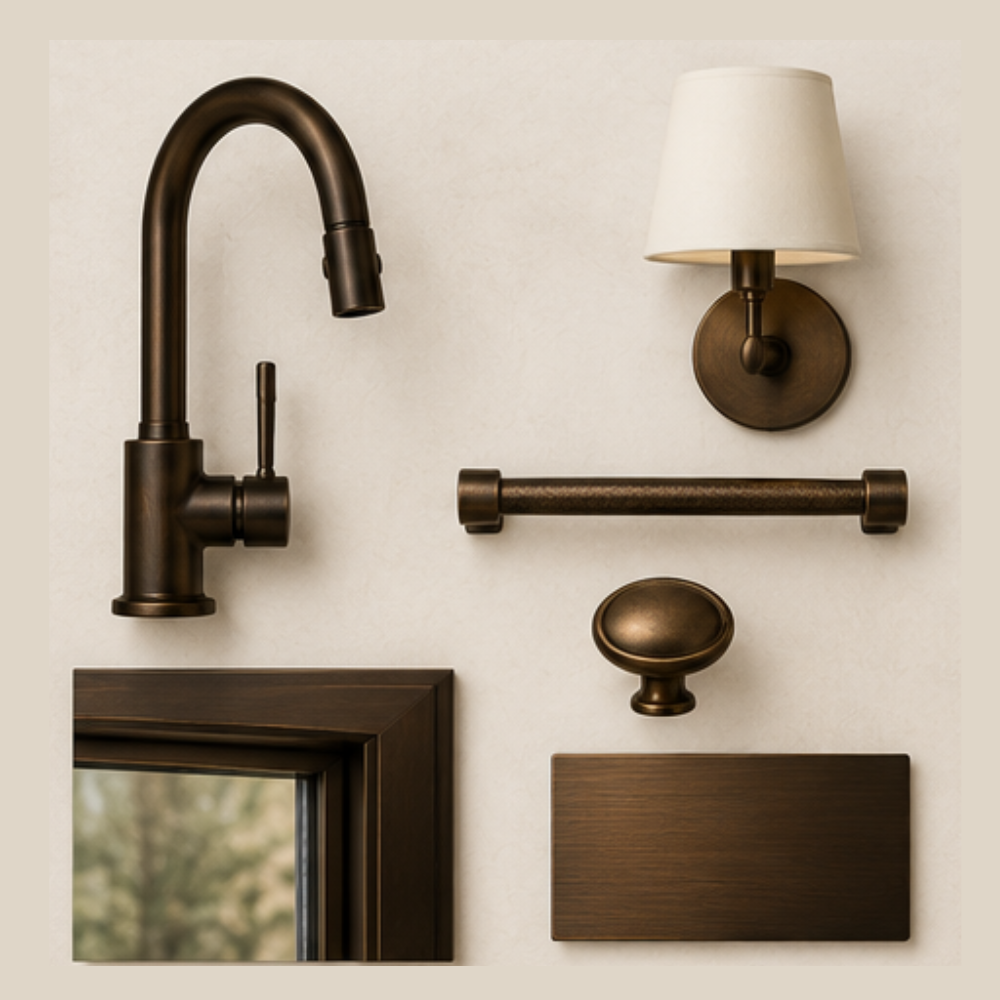
bronze
copper
Polished Nickel
Matte Black
Mixed Metals
Start with the overall metal direction for the home: the finishes that will carry throughout the spaces, whether that means one dominant finish or an intentional combination of two or more. A home might lean warm with brass, bronze, or copper, or intentionally layer finishes, brass or polished nickel with matte black. The right combination depends on the architecture, the style direction, and the feeling you want the home to create.
Sheen matters just as much as tone: polished reads more classic and reflective, while brushed or matte feels quieter and more understated. Even within the exact same metal family, chrome and polished nickel sit in the same cool category but read completely differently.
Windows often influence this decision because they establish one of the largest fixed finishes in the home. Bronze windows tend to support warmer metals; black windows tend to pull toward a more modern, clean-lined aesthetic. They don’t determine every choice, but they’re worth considering before the rest of the finishes get locked in.
The goal isn’t for every metal to match perfectly. Beautiful homes often layer finishes intentionally. The goal is for every finish to have a reason for being there.
One layer people don’t see coming: manufacturers interpret finishes differently. One brand’s brass isn’t another’s, and even matte black shifts in tone from one manufacturer to the next. Naming your metal direction early is what keeps that from becoming a problem you only notice once everything’s installed.
Decision Three: Flooring
The third of the three custom home design decisions is selecting the flooring that will anchor every other finish. Flooring is often treated as a finishing touch, but it is one of the foundational decisions in a home. It’s the surface every other material has to respond to: paint, cabinetry, millwork, tile, wall coverings, and furnishings all take their cues from the warmth, tone, and character of the floor beneath them. It also affects how a home feels to live in: the warmth, softness, and character underfoot that shape the experience of the space every day.
Every floor tells a different story. Which direction feels most appropriate for the way you want to live?
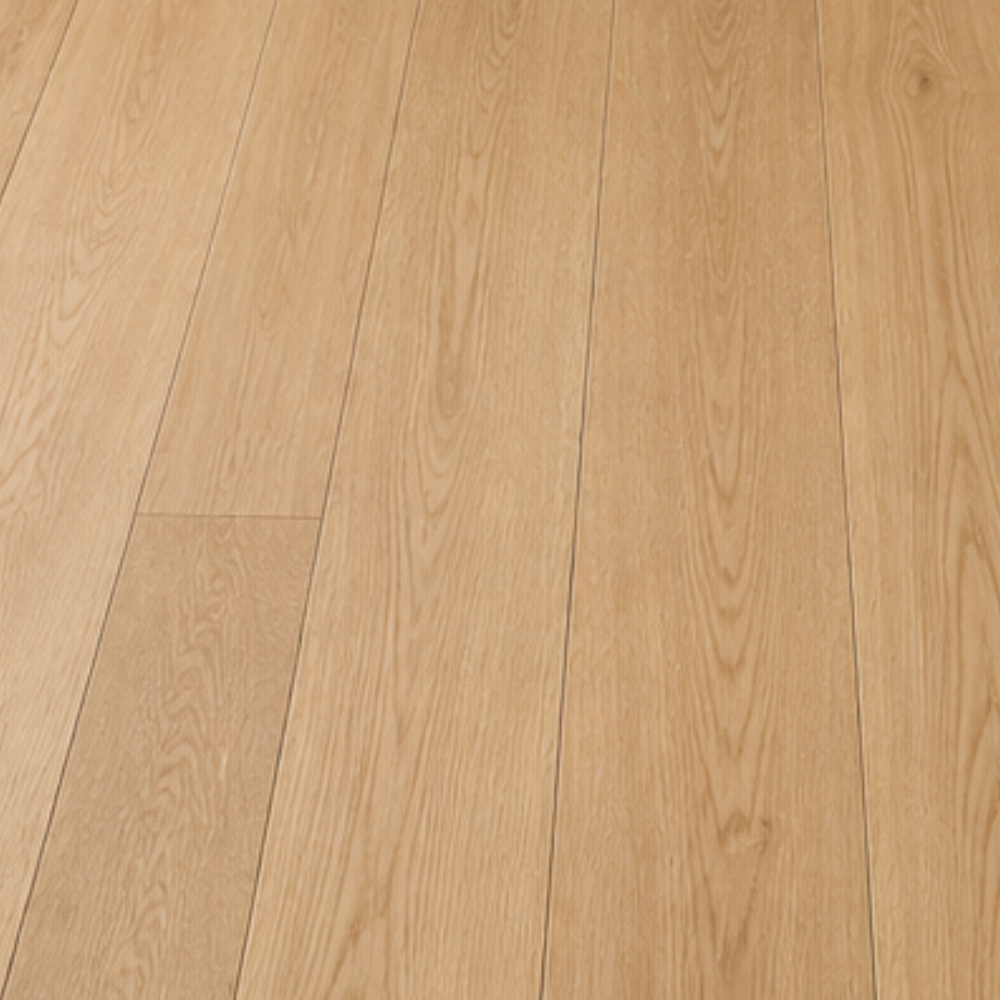
Clean White Oak
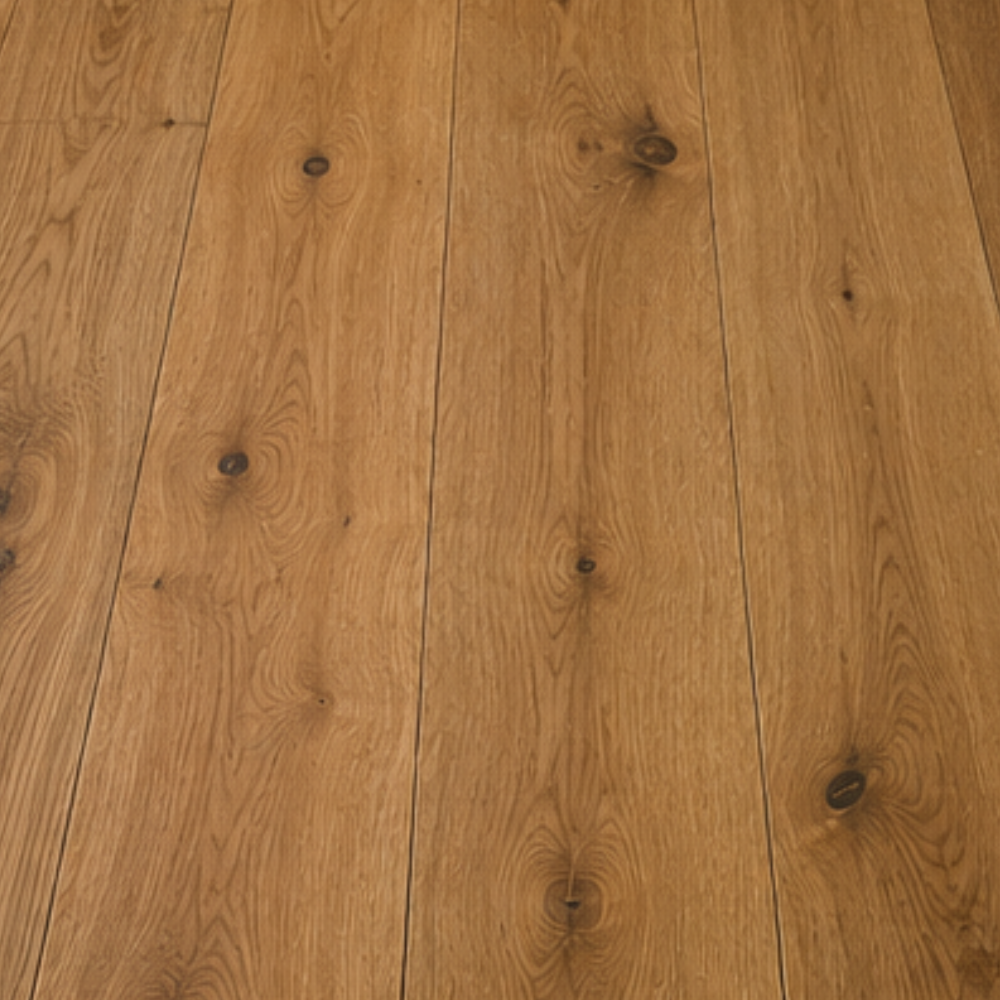
Character Grade White Oak
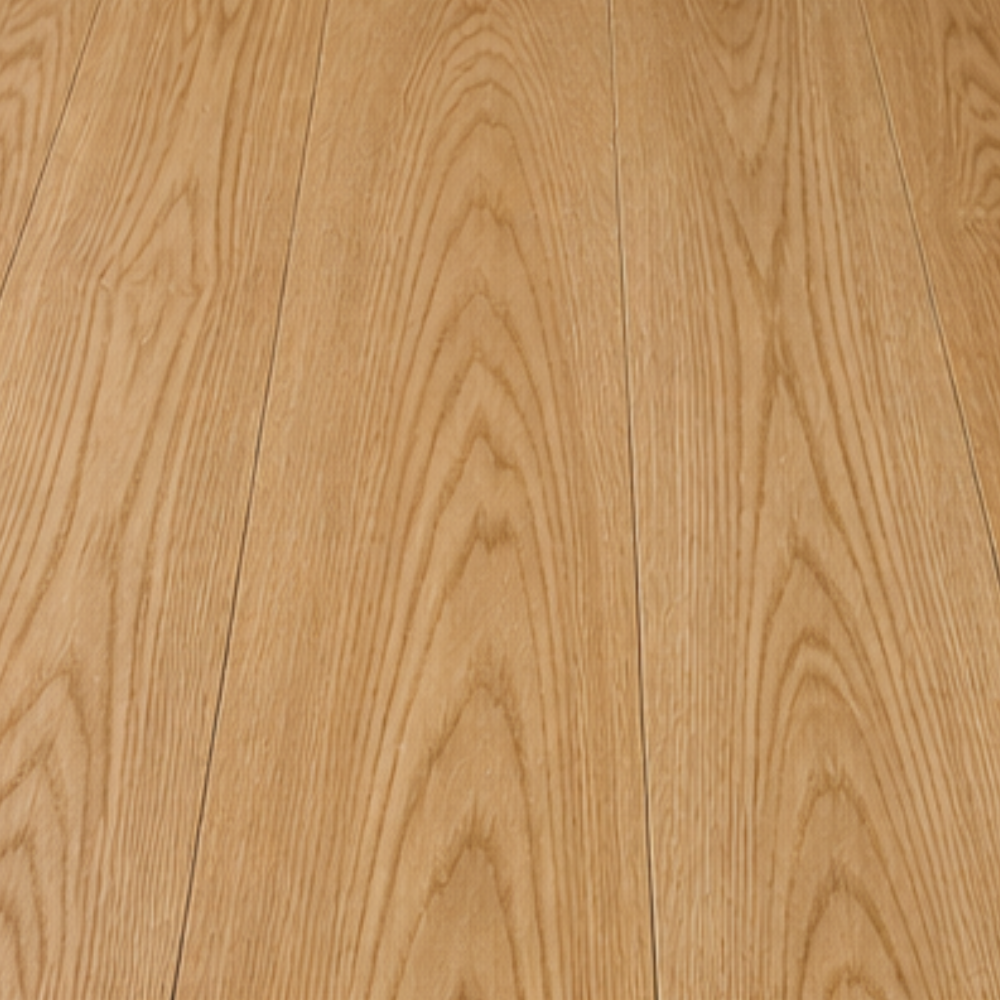
Natural Red Oak
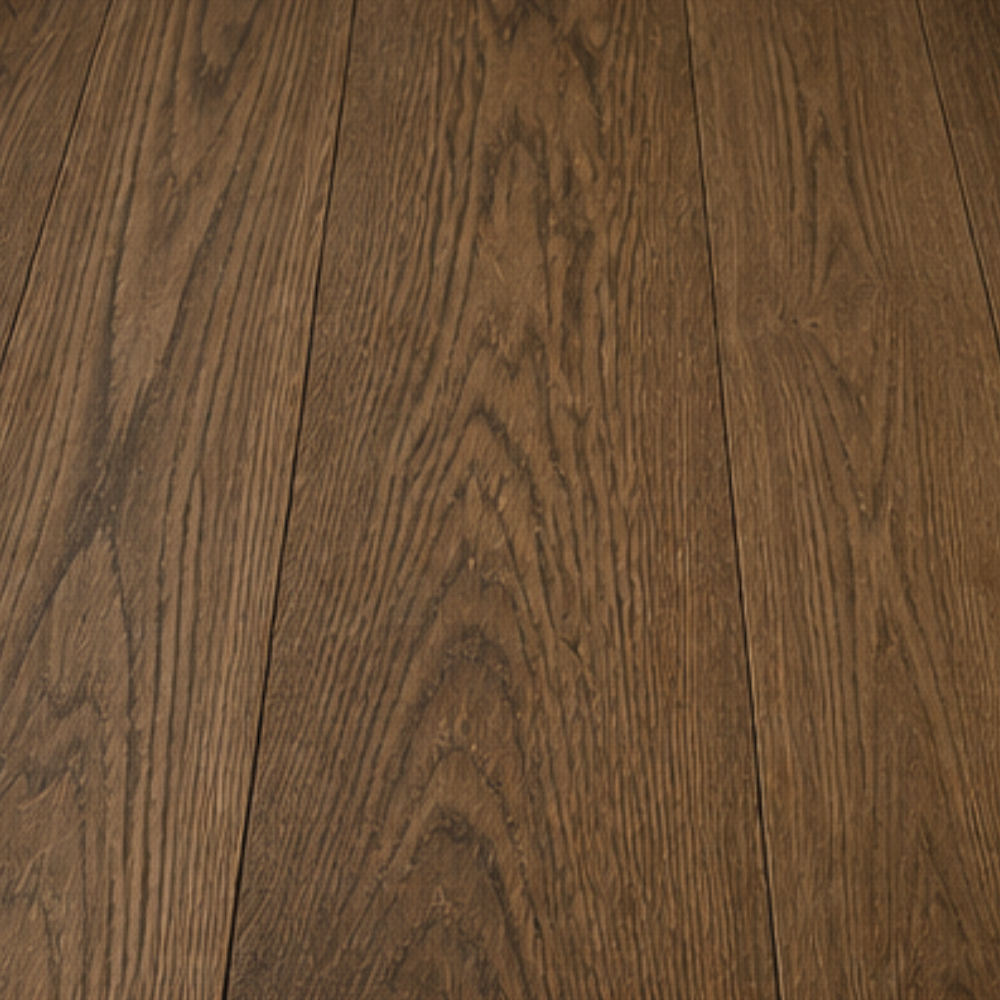
Stained Red Oak
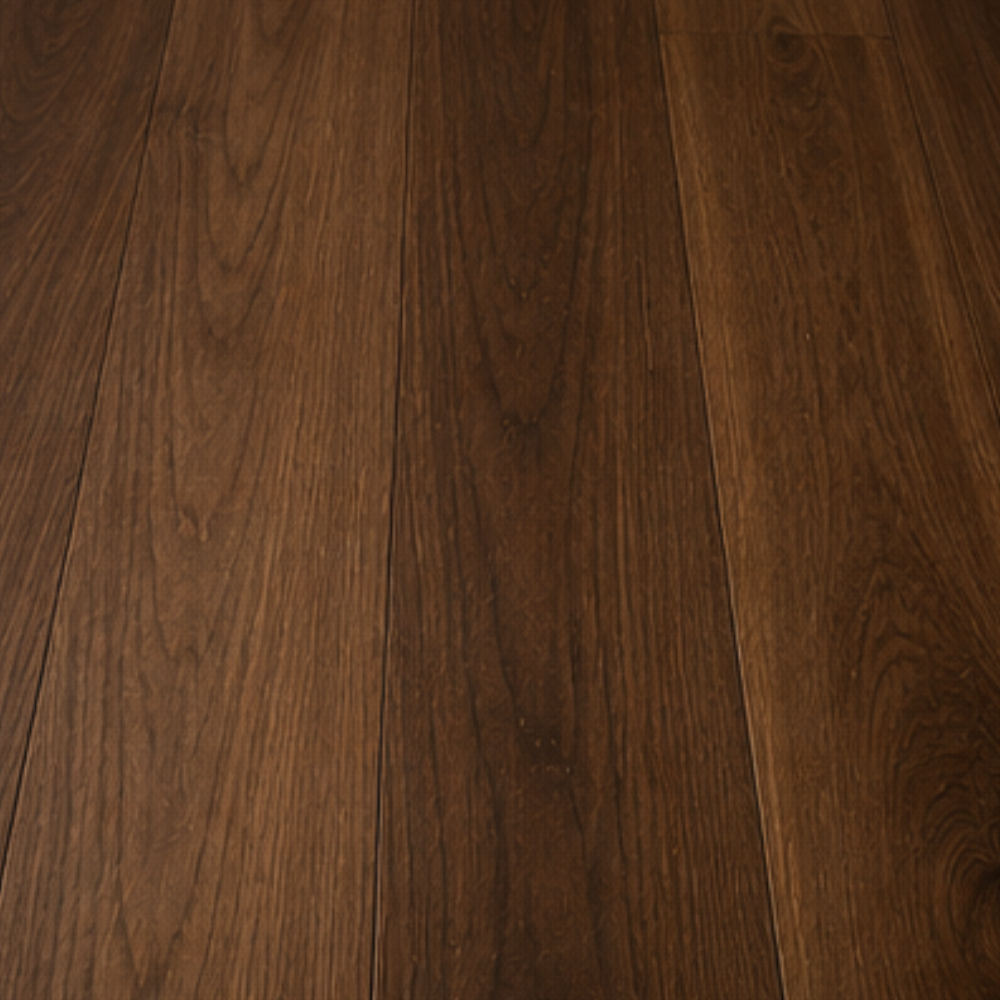
Walnut
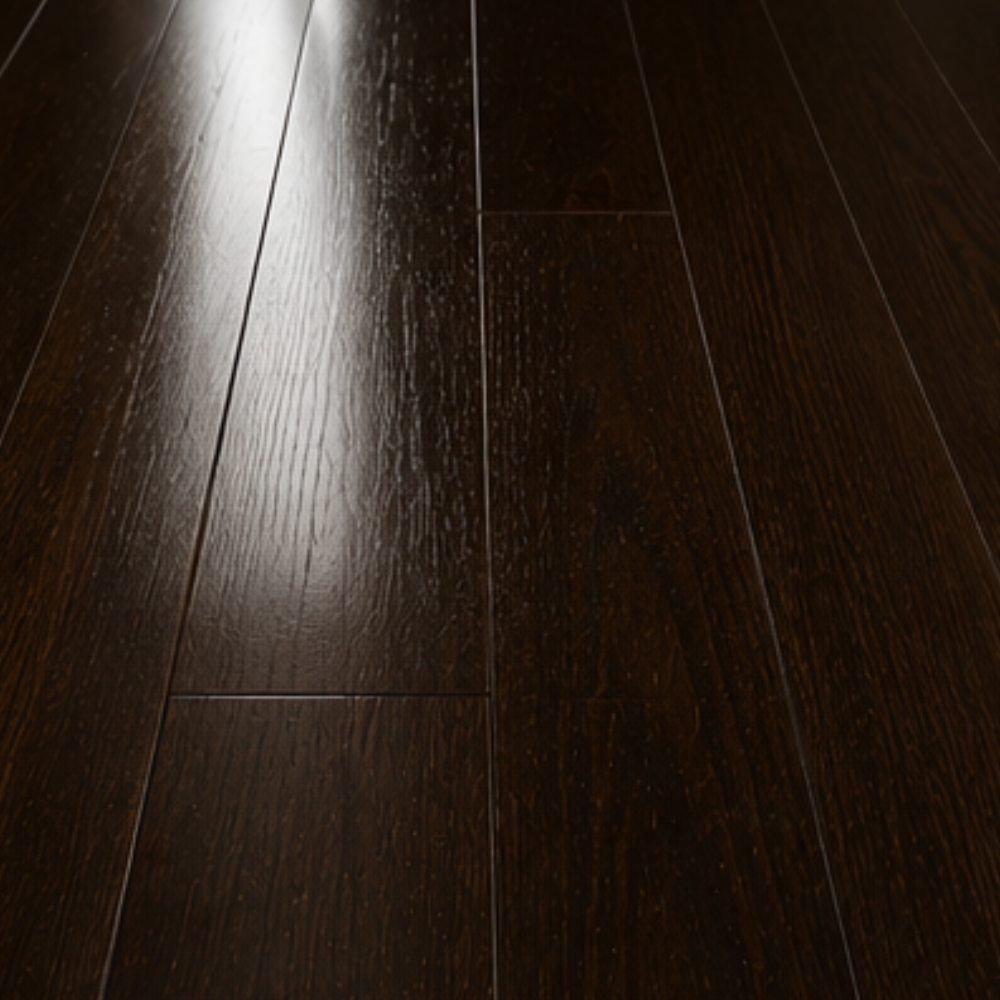
Dark High-Sheen Hardwood
Learn more about hardwood flooring performance from the National Wood Flooring Association.
Start with the feeling. Species, grain, texture, and sheen all shape the story before a single product is chosen. A higher sheen often leans more formal and traditional, while a lower sheen creates a quieter, more relaxed, organic feeling. Then factor in how you actually live: pets, kids, entertaining, and maintenance expectations. A floor should keep feeling beautiful once real life is happening on top of it, not just when it is photographed.
The construction impact is where flooring stops being just a design decision. A site-finished hardwood floor requires careful sequencing because it needs to be sanded, stained, and cured before construction can continue. Depending on the project, that can mean pausing activity on the jobsite for weeks to protect the finished floor.
Stair companies also need flooring thickness information to calculate proper riser heights and framing. The species you choose carries into the stairs too, and this is where budgets can get blindsided. White oak flooring often means white oak treads and handrails, and that choice can add significant cost compared to building the same staircase in a more economical species. If that decision is not considered early, it can create an unexpected budget adjustment later in the project.
Some homeowners try to close that gap by staining a different species to match the flooring instead. While it can be tempting, it is rarely a perfect solution. Different woods carry their own undertones, and red oak’s natural warmth can be difficult to fully disguise.
Flooring does not need to be completely finalized on day one. But the direction, warm or cool, textured or smooth, needs to be established early, or it starts dictating changes to the budget and schedule instead of guiding them.
Where to Start
Architects create the vision. Builders bring it to life, on schedule and on budget. My role sits between the two, protecting the design intent from the drawings all the way to the day someone walks through the finished front door.
That protection is invisible when it’s working. Selections arrive in the right order, so a trade never sits idle waiting on a decision that should have already been made. A mistake gets caught on paper instead of in framing, so no change order ever gets written for it. A homeowner feels guided instead of overwhelmed, because someone is carrying the weight of a hundred small decisions with them, not leaving them to carry it alone.
For an architect, that means your drawings show up in the finished home the way you intended, not diluted by a generic recommendation from whoever happened to be behind the counter that day. For a builder, it means a designer who speaks sequencing and schedules natively, twenty years across all three sides of that process, not as a translation. And for a homeowner, it means the whole house is being held by someone who can see all of it, not just the room they’re standing in.
Making the right custom home design decisions early gives every other selection a clear direction. Define your style direction. Establish your metal direction. Choose your flooring direction. Everything else becomes easier because every decision finally has something to respond to.
July’s Buck Moon carries an energy of power and determination, the kind that goes into building something solid enough to hold your ambitions once you set them in motion. That’s exactly the kind of foundation this is.
Continue the Conversation
If you’re curious what this process looks like beyond these three decisions, you may also enjoy:
What It’s Really Like to Work With a Luxury Interior Designer in St. Louis — a behind-the-scenes look at the custom home design process, from the first conversation through the final walkthrough.
Material Specifications — an overview of how every finish, fixture, and selection is documented before construction begins, helping protect your investment while keeping your project moving.
The best homes aren't created by making perfect decisions. They're created by making the right decisions in the right order.
carrissa hickey

Ready To Build Your Home On The Right Foundation?
Whether you’re building a custom home, planning a major renovation, or simply want confidence before making hundreds of design decisions, I’d love to help you create a home that feels intentional from the very beginning.
Continue Designing With Intention
If you enjoyed this practical look at the decisions that shape a custom home, you’ll love The Lavish Letter.
Each month I share behind-the-scenes project stories, thoughtful design guidance, seasonal inspiration, and intentional ways to approach your home.
Keep Your Vision In Front Of You.
Every custom home starts with a plan. Every meaningful life does too.
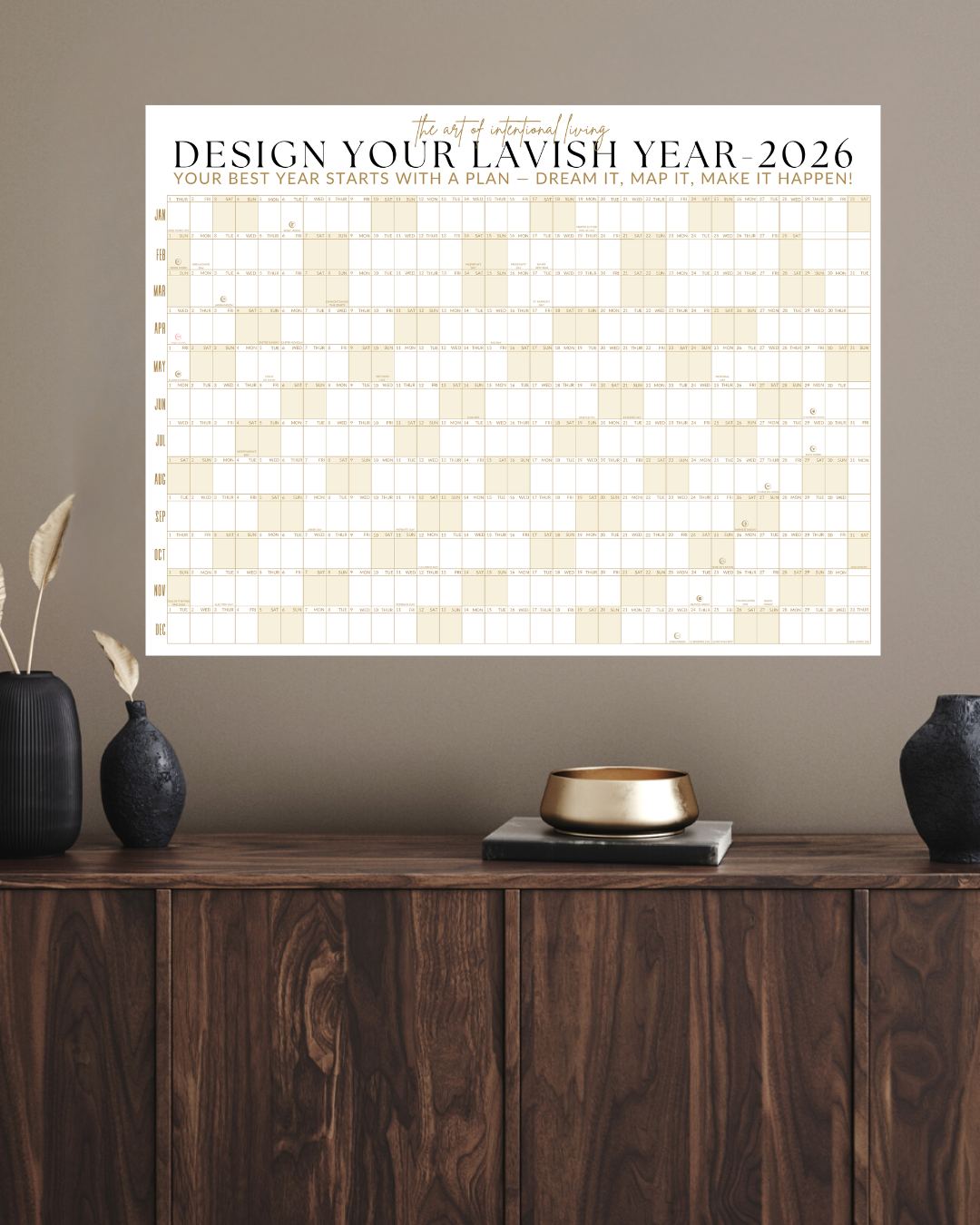
The Lavish 2026 Signature Calendar was created to keep your biggest goals visible all year long.