
How to Know When High Quality Furniture Is Worth the Investment
This post contains affiliate links. If you purchase through my links I may earn a small commission at no additional cost to you. Thank you for supporting Lavish Interiors and More.
When shopping for high quality furniture, there is a point when the numbers start to spread apart.
One sofa is $3,000. Another is $10,000. One counter stool is a few hundred dollars, while another can cost well over $1,000. At first glance, both may seem to accomplish the same thing.
So how do you know when the difference is worth it?
I believe in buying fewer, better things. But that does not mean every piece in a home needs to be expensive. Some of the most successful rooms combine meaningful investment pieces with much more accessible finds.
The goal is not to spend as much as possible. It is to understand where quality will change the way you experience a piece, where it will contribute to the longevity and character of your home, and where spending less may be the smarter decision.
As I shared in Luxury Interior Design: What Makes a Home Feel Abundant?, a home does not feel abundant simply because it contains more. Sometimes a home feels richer when what is there has been chosen with intention.
Where Quality Actually Matters
Price alone is not a reliable measure of quality.
With high quality furniture, a higher price can reflect better materials, stronger construction, greater comfort, skilled craftsmanship, customization or a piece designed to last.
For upholstery, what you cannot immediately see can be just as important as the fabric you can. Frame construction, suspension and cushion materials affect how a sofa or chair feels when it is new and how it performs over time. Case goods have their own considerations, including materials, joinery, hardware and finish. Consumer Reports offers a helpful deeper look at these furniture-quality indicators if you are interested in the technical side.
But knowing that one piece is technically better made still does not answer the most important question:
Is the difference worth paying for in your home?
A sofa is a good example. A beautifully constructed, high-end sofa may offer exceptional comfort, customization and craftsmanship and remain in a home for many years. For someone who uses that sofa every evening, values those differences and intends to keep it, the investment may make perfect sense.
For someone else, a well-made sofa at a more moderate price may be exactly right.
The same reasoning applies to a dining table that will host years of family dinners, a substantial cabinet that anchors a room, or a chair you sit in every morning. As I wrote in The Foundation of a Beautiful Living Room, the larger pieces establish much of the function, proportion and feeling of a room. When something will work hard, hold significant visual weight or remain in your home for years, quality becomes more meaningful.
Still, a piece can be worth its price without being worth that price for you.
Save or Invest? Three Furniture Categories to Consider
Choosing high quality furniture doesn’t mean every piece needs to come with an investment-level price tag. Saving does not have to mean settling for a lesser version of something you really wanted. Sometimes it means approaching the design problem differently.
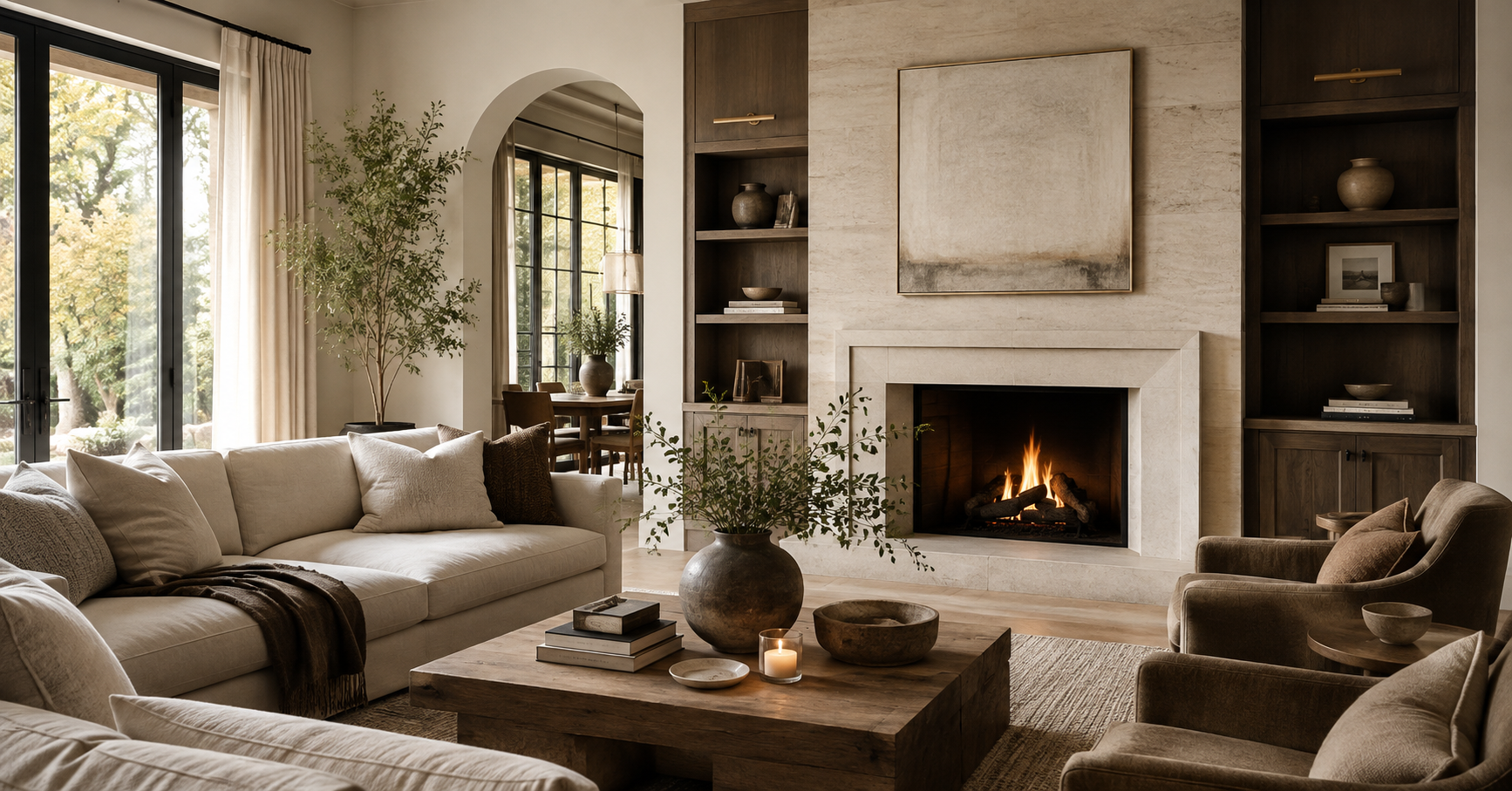
I am doing exactly that on a project right now. A fireplace is flanked by wide areas with windows above, which limits how much vertical cabinetry makes sense. Low built-ins are one option, but before committing to permanent millwork, I am looking at whether substantial freestanding pieces could give each side enough visual weight while working more naturally with the windows.
If furniture is the better solution, there is another decision to make: should the pieces match, creating symmetry around the fireplace, or should they be different but complementary? The answer will depend on what gives the entire composition the right balance.
Rather than assuming custom built-ins are automatically the better solution, I am first looking at what the room actually needs.
Credenzas, Sideboards + Cabinets
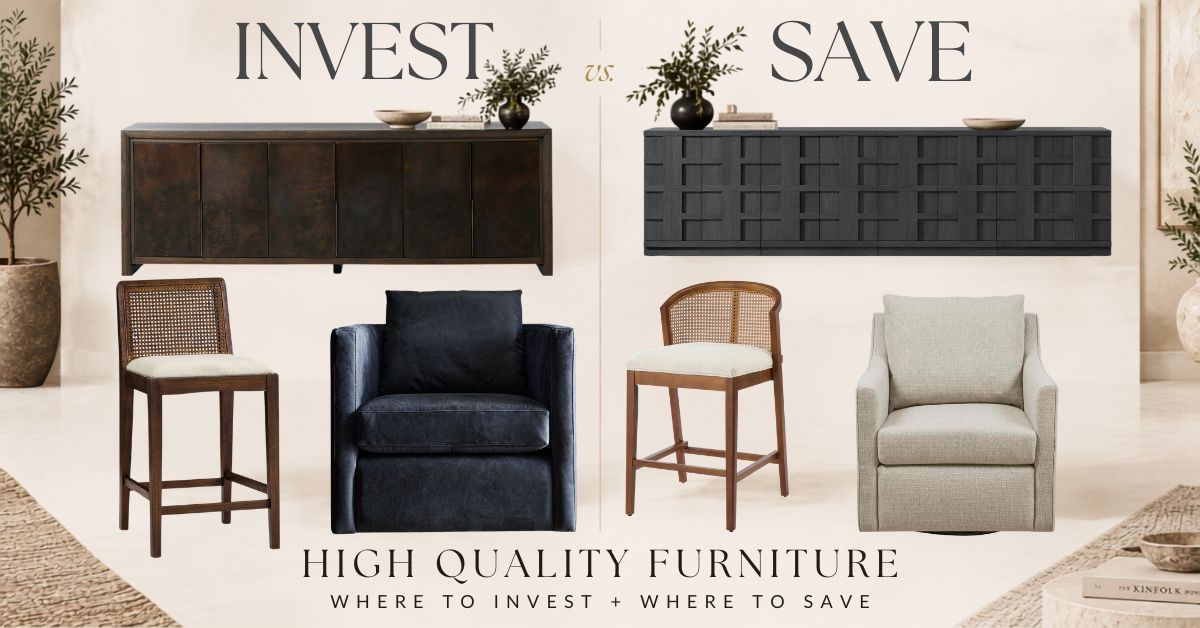
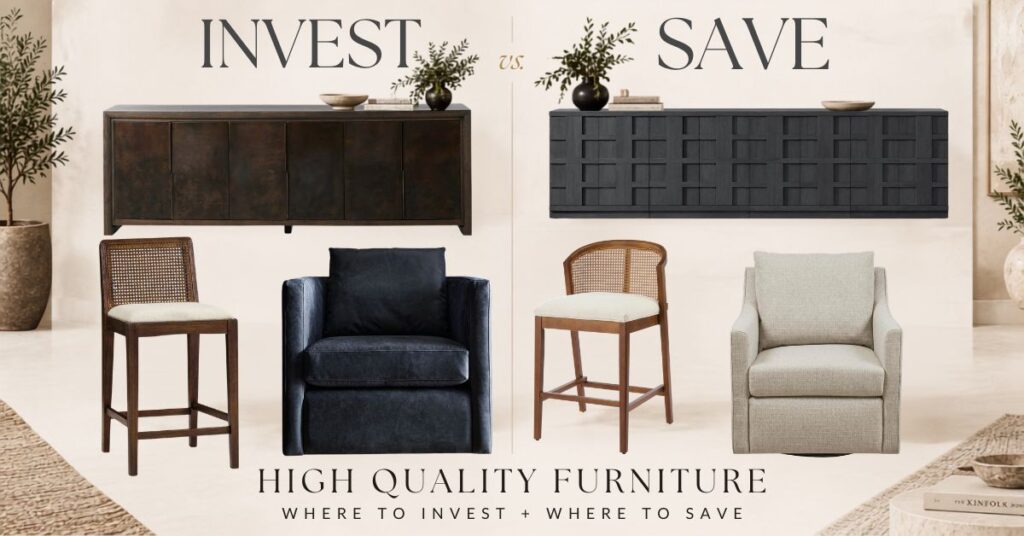
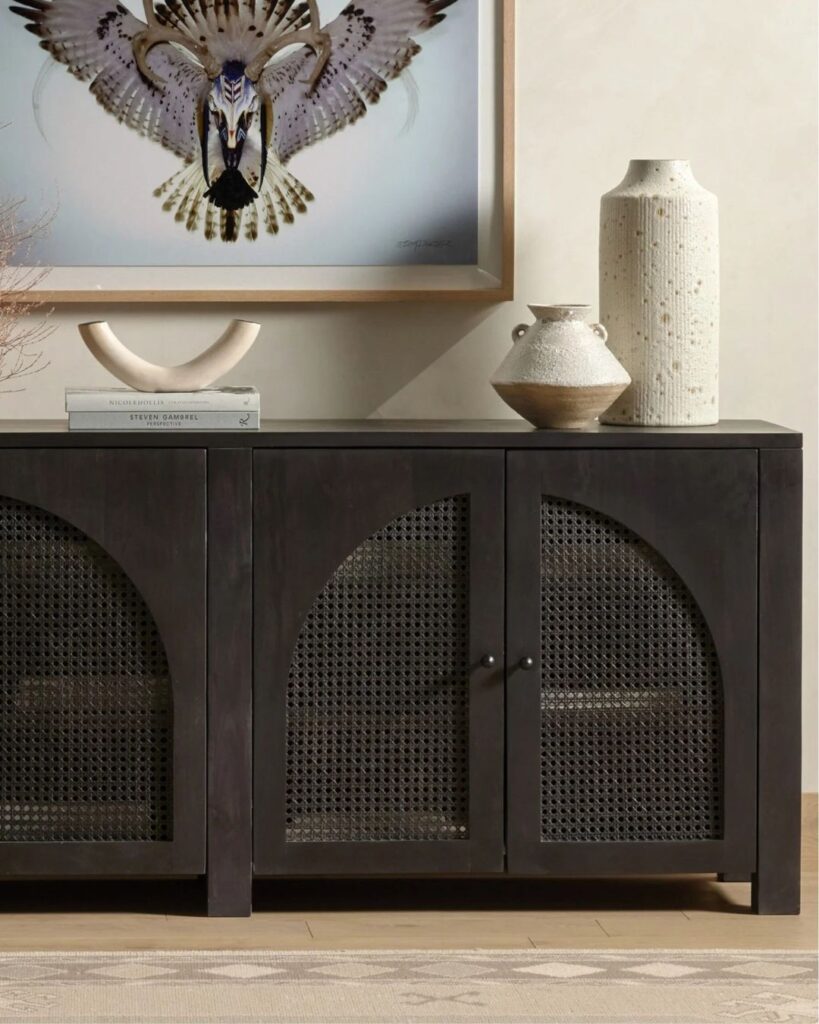
A beautiful credenza or sideboard can carry significant visual weight. Scale, proportion, finish, hardware and material can give one exceptional piece an almost architectural presence.
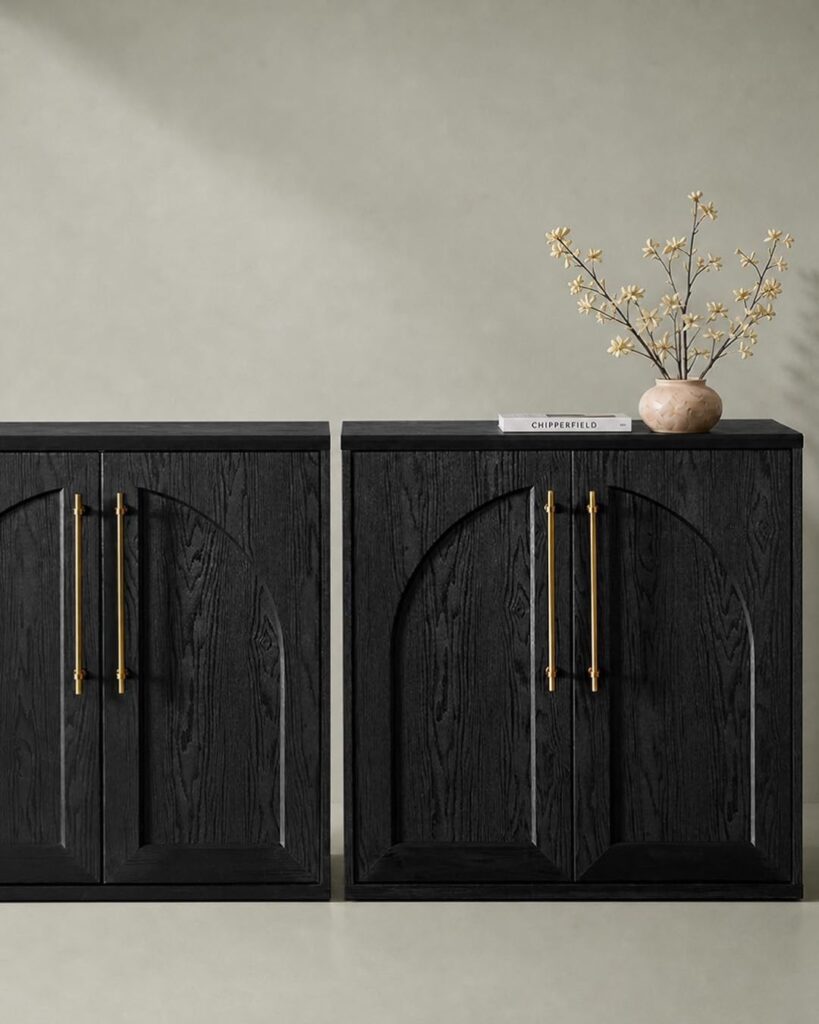
But in the right setting, two or three smaller cabinets can also be placed together to create the scale of one substantial piece for considerably less.
The details matter. I look for pieces with flat sides that can butt tightly together, without a projecting top, base or legs that prevent the cabinets from sitting flush. The proportions, finish and detailing also need to allow the individual pieces to read as one intentional composition.
Counter + Bar Stools
Counter stools are interesting because the cost of one is rarely the real number. If you need four or five, a difference of several hundred dollars per stool quickly becomes a meaningful part of the furnishing budget.
If your kitchen island is where your family eats, does homework and gathers every day, comfort, stability, upholstery performance and overall construction matter. Spending more may be worthwhile.
For stools at a secondary bar that is used occasionally, I may make a very different recommendation.
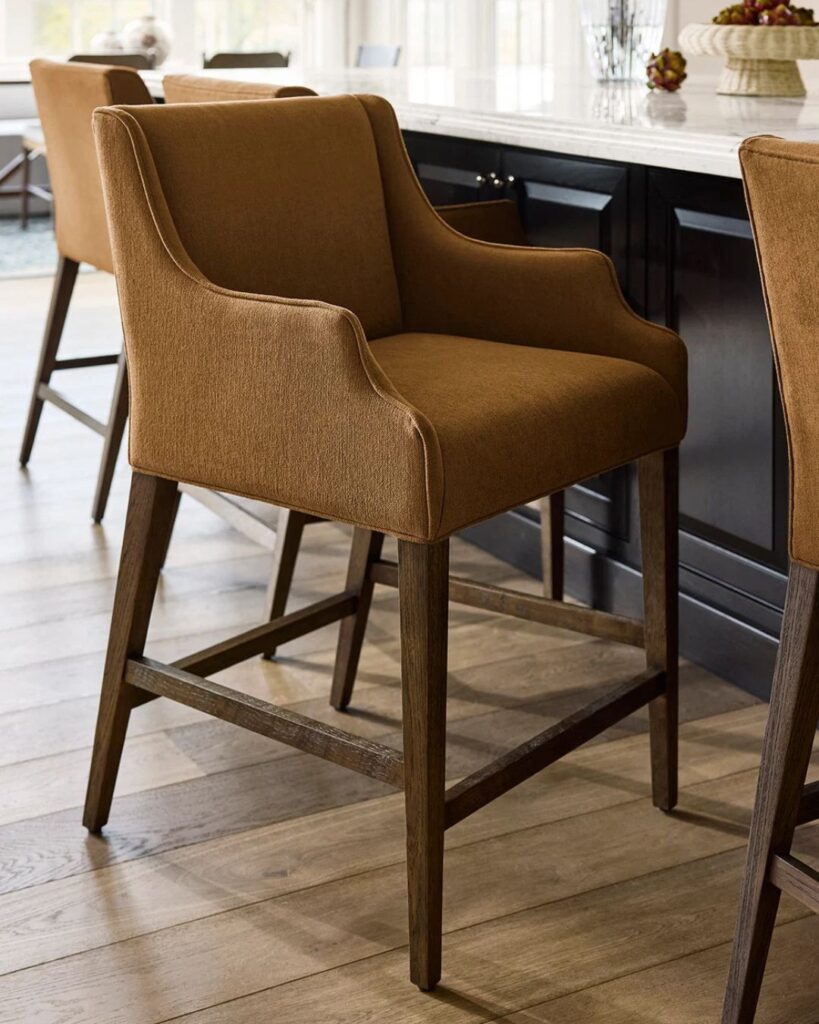
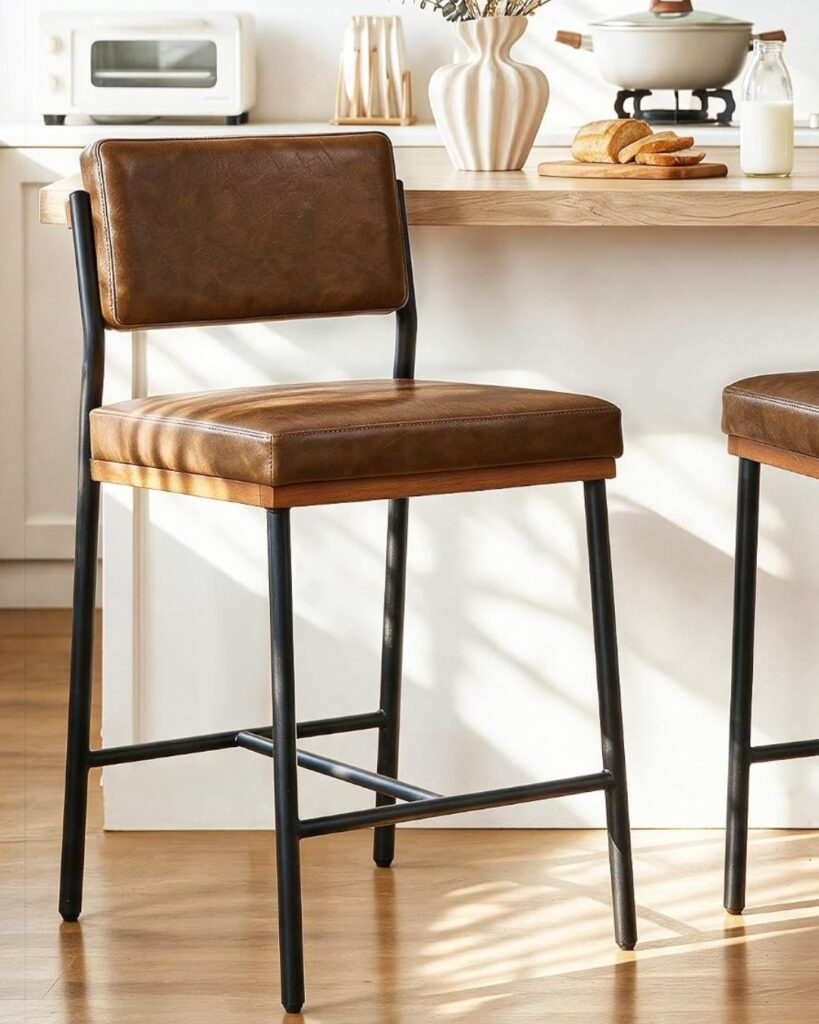
The category is the same. The way you live with it changes the answer.
Accent Chairs
Accent chairs are another reason I do not believe in a universal splurge list.
If a chair primarily completes a seating arrangement and is used occasionally, scale, silhouette and how it relates to the room may matter more than investing in exceptional construction.
But if that chair is your chair, where you read, have coffee or unwind every evening, comfort and longevity move much higher on the list.
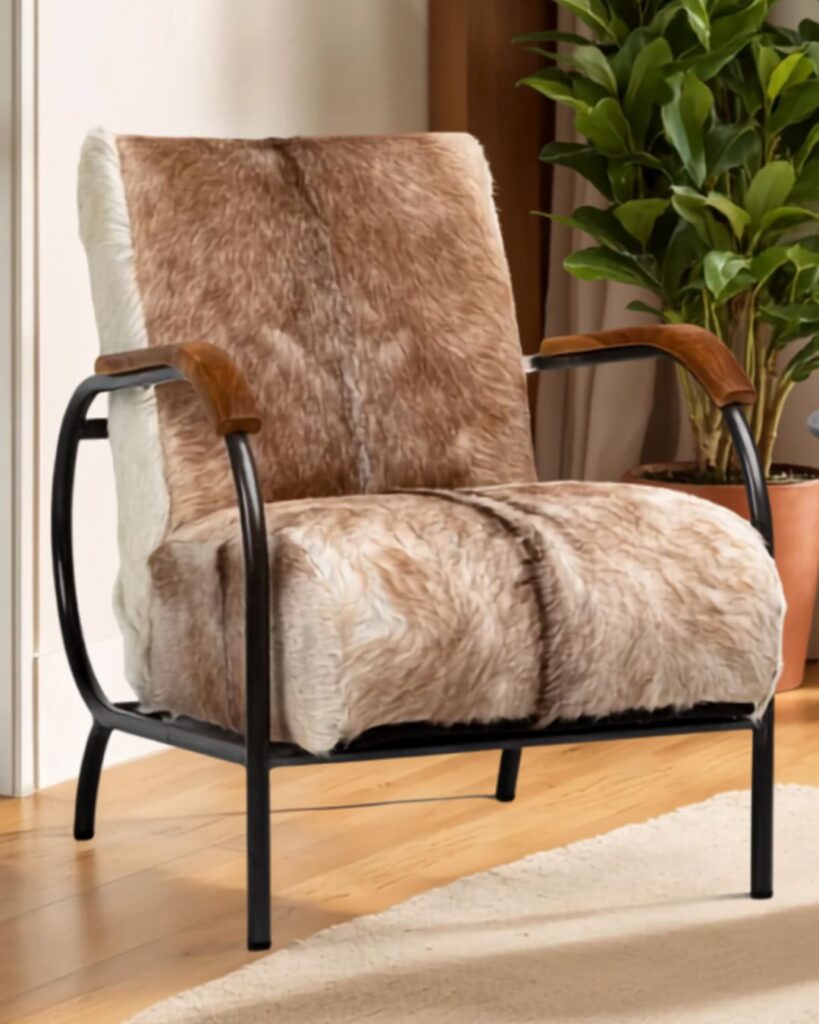
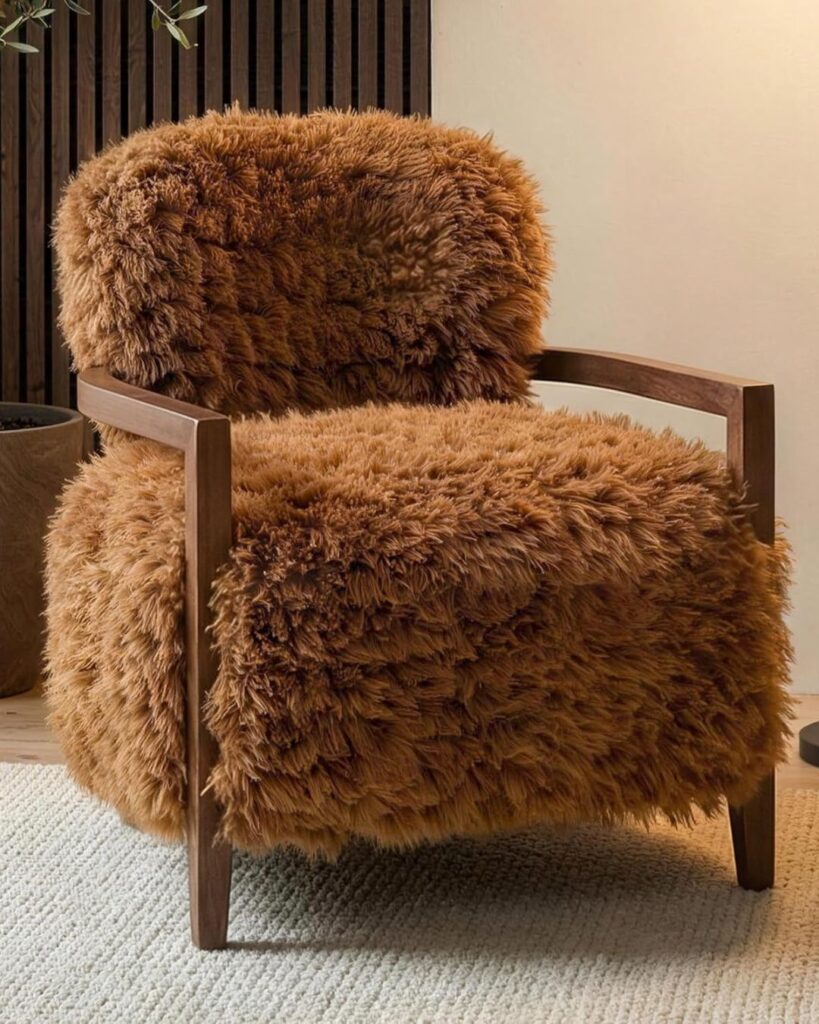
A well-designed room does not advertise where you saved and where you invested. The pieces simply work together.
Sometimes the Best Decision Is to Wait
There is one more option that gets left out of most conversations about where to save and where to invest:
You can wait.
There can be pressure to finish a room, especially after building, renovating or moving into a new home. An empty wall starts to feel like a problem that needs to be solved.
It does not.
I would rather see a client wait for the right piece than spend money filling a space with something they do not truly love. Buying a placeholder and replacing it later can ultimately cost more than living with a little empty space for a while.
A space left open for the right piece can be more intentional than one filled with the wrong one.
Choosing high quality furniture is not about owning the most expensive version of everything. It is also not about seeing how little you can spend.
It is about becoming more discerning about what deserves your space, your money and your attention.
Invest where quality changes the experience. Save where it does not. Mix the two confidently. And when neither option feels right, give yourself permission to wait.
Perhaps abundance is not having more to choose from.
Perhaps it is having fewer things you would choose again.
A space left open for the right piece can be more intentional than one filled with the wrong one.
carrissa hickey

Ready to furnish your home with more intention?
Stay Inspired
If you enjoy this kind of design perspective, I share a monthly design letter where I go deeper into the process, seasonal inspiration, and intentional ways to approach your home throughout the year. You’re welcome to join if you’d like to be part of it.
Design with intention, live with purpose.
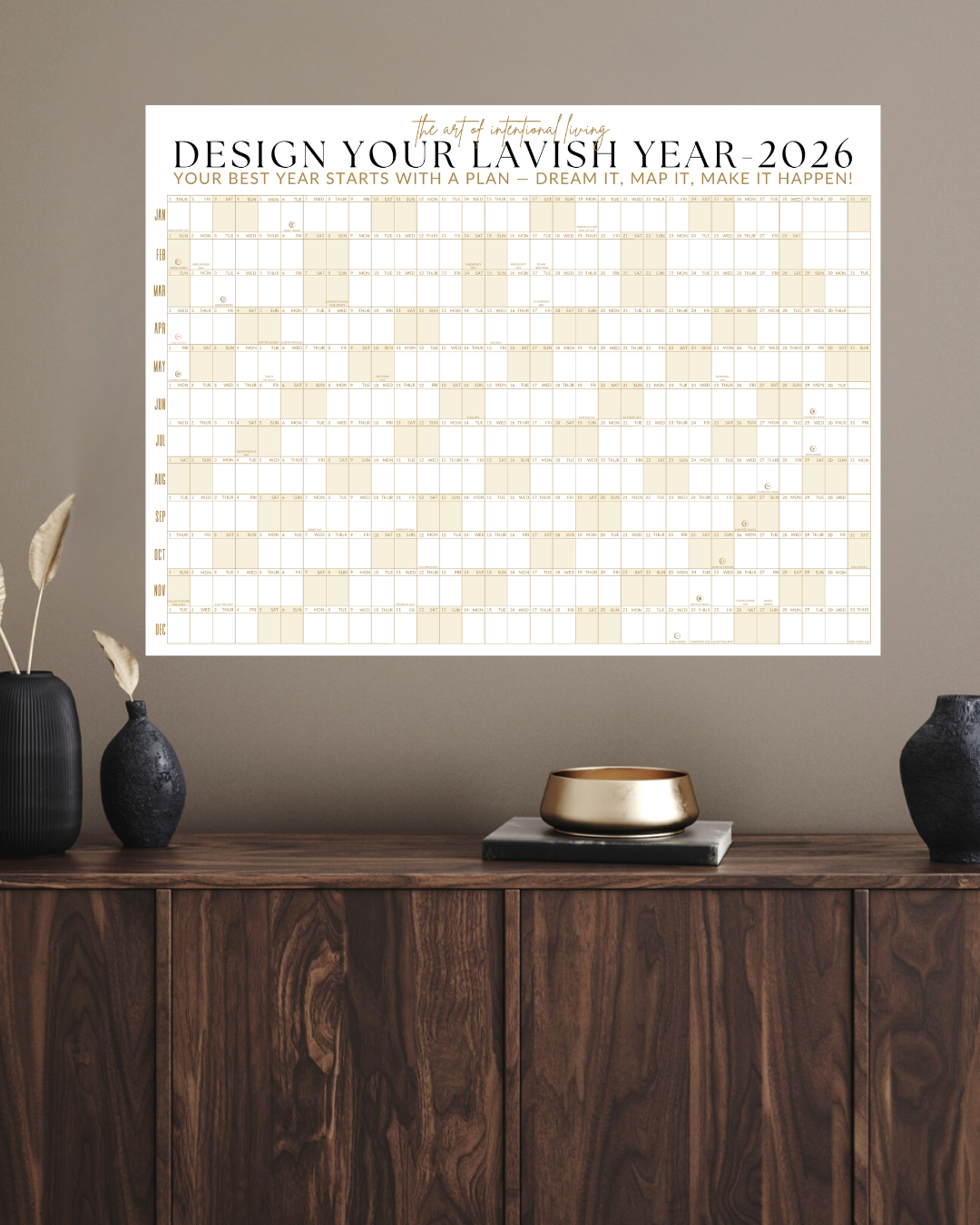
The life you want to create is easier to keep in view when what matters most stays visible. The Lavish 2026 Signature Wall Calendar was designed to help you keep your intentions, priorities, and plans in front of you.
A 36-inch by 48-inch visual planning canvas, available in Slate and Sandstone.
And if you’re already looking ahead, stay tuned. The 2027 edition is coming soon.