
When we think about luxury interior design, it’s easy to picture beautiful materials, custom furnishings, extraordinary architecture, and rooms that look effortlessly pulled together.
And those things matter. Beauty matters.
In fact, research suggests that experiencing beauty in our everyday surroundings can positively affect how we feel. A 2024 study published in Scientific Reports found that everyday encounters with beauty had a measurable mood-boosting effect.
I find that fascinating because it validates something I have always believed about design: beauty isn’t frivolous. The spaces we experience every day have the ability to affect us.
But I also don’t think beauty alone is what makes a home feel luxurious.
Some of the most beautiful homes can still feel uncomfortable, frustrating, or disconnected from the people who live there. And a home doesn’t have to be enormous, filled with expensive things, or designed to impress everyone who walks through the door to feel abundant.
To me, the most meaningful luxury is much more personal than that.
What Is Luxury Interior Design, Really?
Luxury interior design is at the heart of what Lavish represents. But the word lavish has always had a deeper meaning to me than the excess or extravagance we might typically associate with luxury.
Lavish means abundance. And to me, true abundance is about creating Personal Abundance: spaces rich in style, peace, and functional perfection.
That belief shapes the way I think about it.
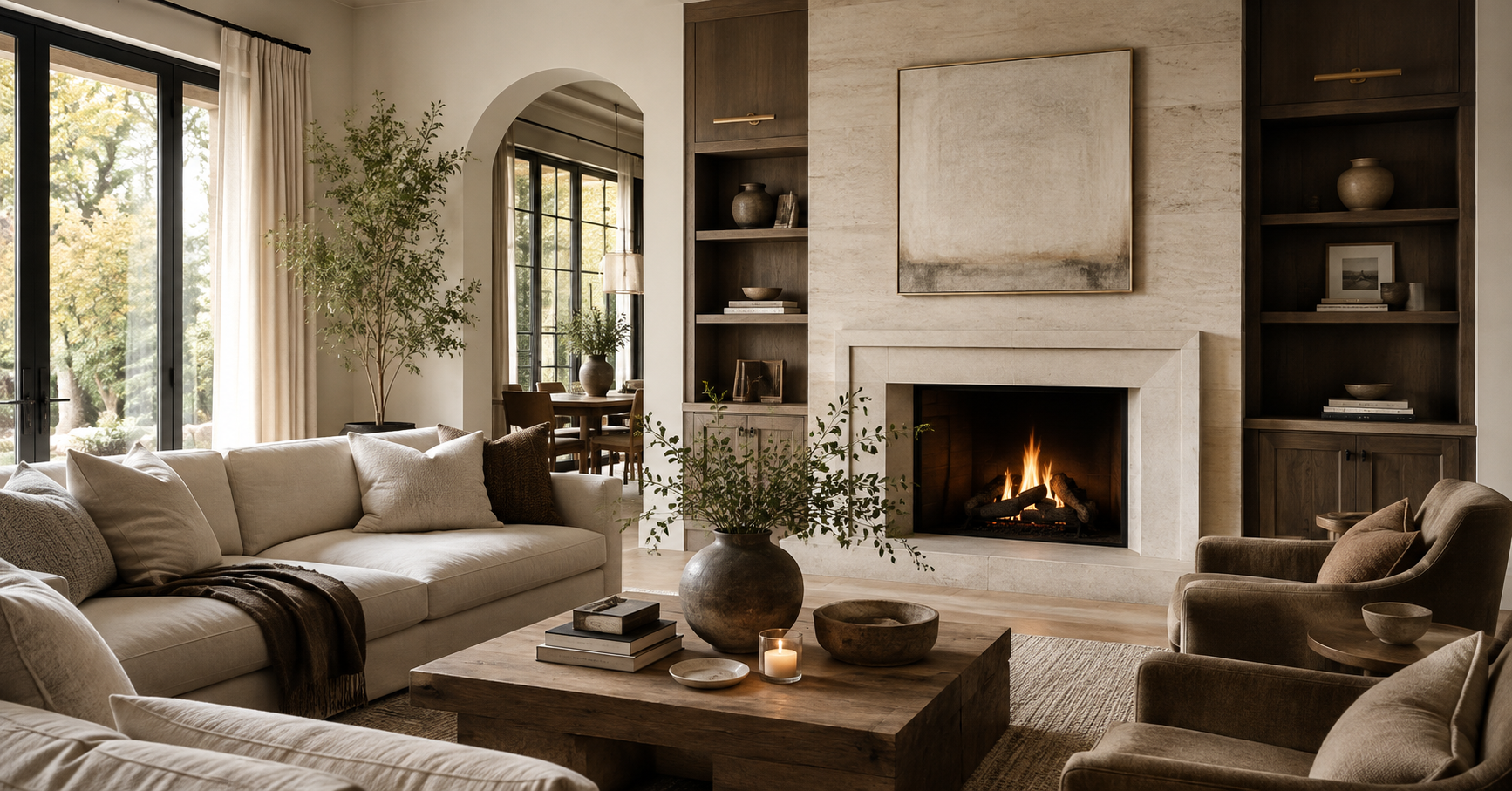
A richly layered library filled with books, art, and collected objects can feel abundant. So can a quiet bedroom with very little in it beyond beautiful materials, wonderful natural light, and exactly what you need to rest well.
True abundance isn’t measured by how much a home has, how large it is, or how much was spent creating it.
It is about the experience of living there.
A truly luxurious home should give us beauty to experience. It should contribute to a sense of peace and well-being. And it should work so thoughtfully that everyday life feels easier because of the way it was designed.
Those are three very different things, and the best homes bring all three together.
What Luxury Interior Design Should Give You
For me, a truly luxurious home comes down to three things: style, peace, and functional perfection. Each contributes something different to the experience of living well at home.
Rich in Style
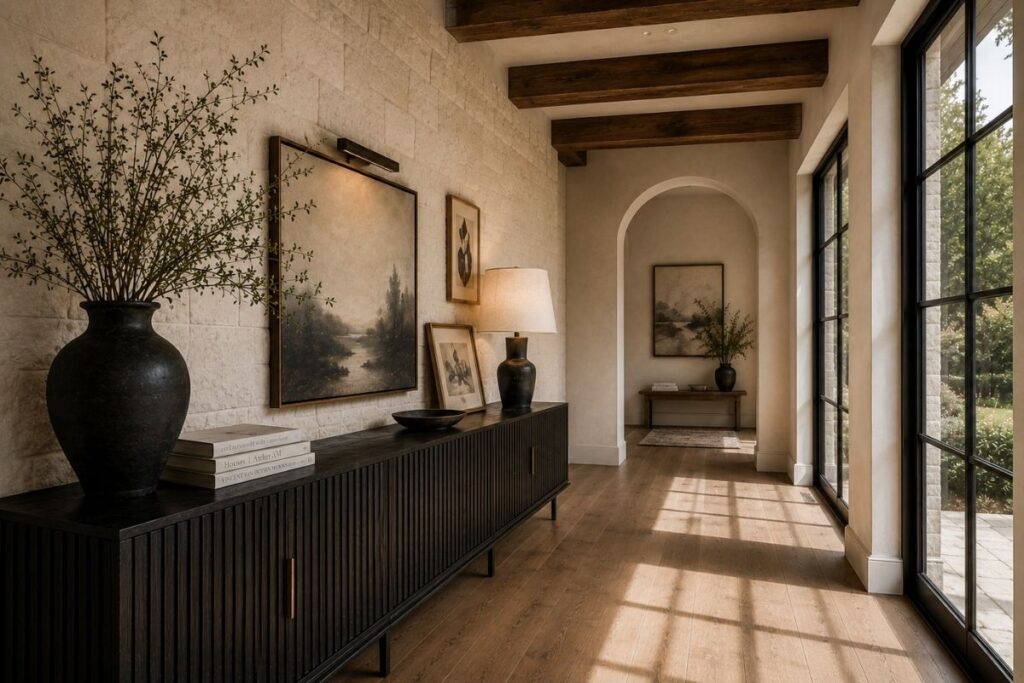
There is value in simply being surrounded by things you find beautiful.
An entryway is a good example. It may be a space you simply pass through on your way from one room to another, but that doesn’t mean it has to be treated as an afterthought. Architecture, natural stone, warm wood, sunlight, artwork, lighting, and a beautifully chosen piece of furniture can turn that transition into an experience of its own.
And none of those elements has to be there simply because it is currently in style. The most interesting spaces are often a combination of materials, objects, and details that feel collected and personal.
This is one reason I don’t believe great design should be dictated by trends. A room can be perfectly current and still feel disconnected from the person living in it. Luxury interior design becomes more meaningful when the style feels personal rather than prescribed.
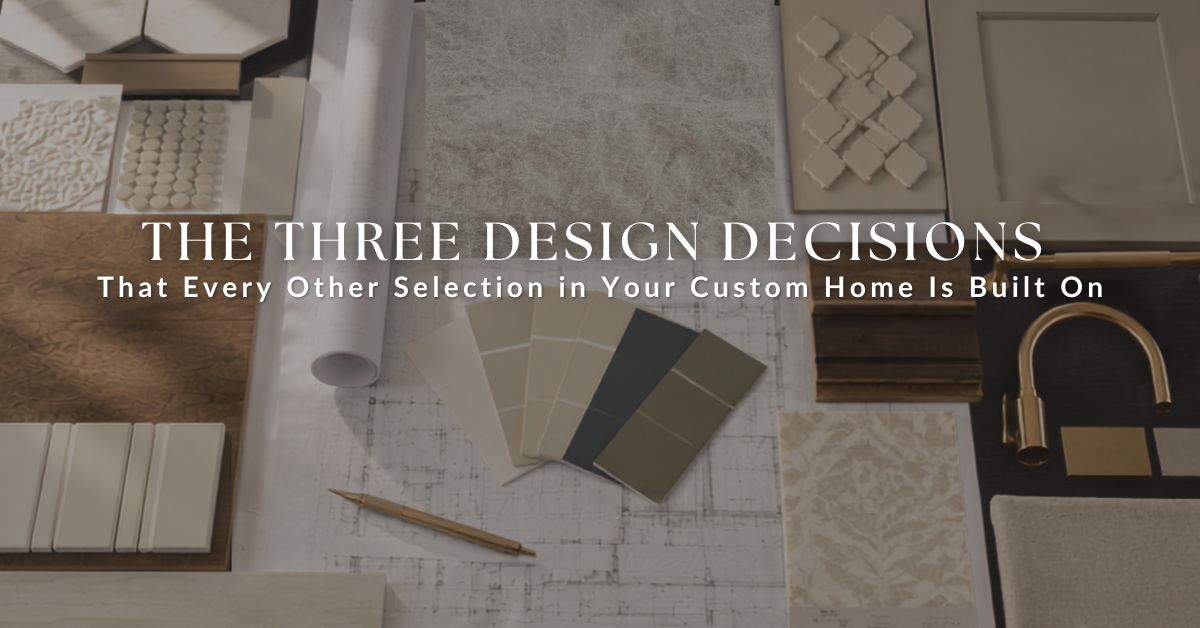
If you are building or renovating, some of the decisions that shape your home’s style happen surprisingly early. Style direction, flooring, and your metal palette create a visual foundation long before furniture, artwork, and decorative layers enter the picture. I explored why those early choices matter in The Three Design Decisions That Every Other Selection in Your Custom Home Is Built On and how they shape the decisions that follow.
In a home you already live in, style can be strengthened through furnishings, artwork, textiles, color, lighting, and meaningful pieces that make the space feel more distinctly yours.
Whether you are shaping the architectural foundation or adding the layers that come later, the goal is the same: to create a home you genuinely enjoy experiencing.
Ask yourself: Do I find something beautiful to experience in this space every day?
Rich in Peace
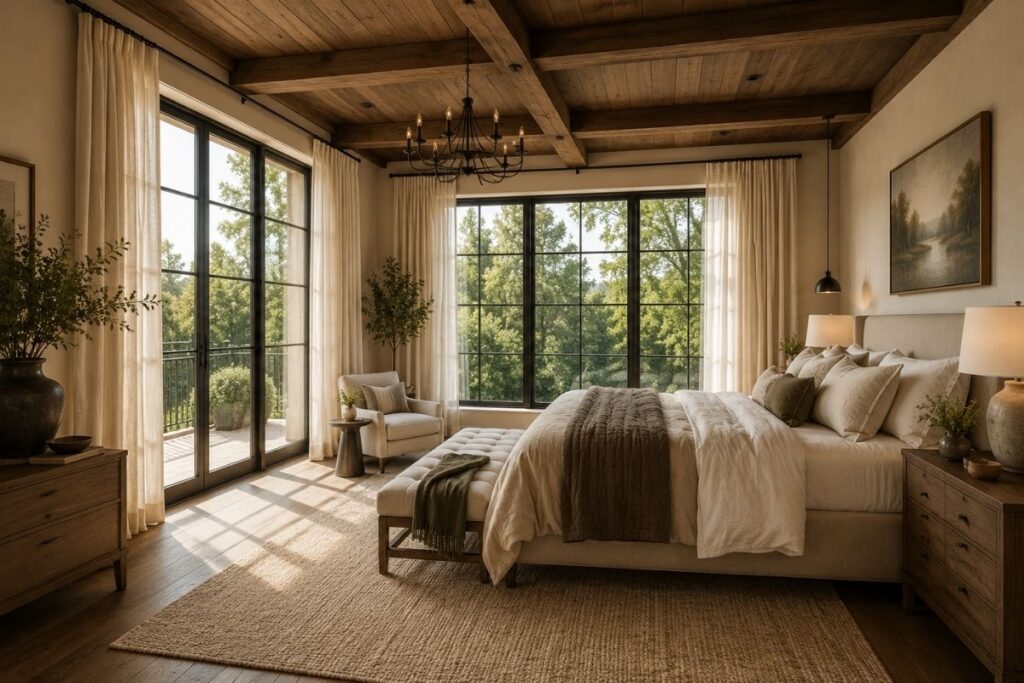
A beautiful room doesn’t automatically feel peaceful.
You can walk into a gorgeous space and still notice that something feels unsettled. Maybe there is too much visual noise, the lighting is harsh, or the things you use every day never seem to have a place to belong.
A peaceful home doesn’t have to be a minimal one. For me, peace comes from the relationship between the environment and the person experiencing it.
A bedroom is a good example. Natural light, views to the outdoors, privacy, soft window treatments, comfortable furnishings, and a quiet place to sit can all contribute to a space that helps you settle at the end of the day.
If you’re building or renovating, some of that experience can be shaped through architecture, from the placement of windows and connection to the outdoors to the relationship between active and quiet spaces. But peace can also be created within the home you already have through softer lighting, better organization, comfortable furniture arrangements, and fewer sources of visual clutter.
Does the bedroom allow you to settle at the end of the day? Does the family room invite everyone to stay awhile? Does your home give you places to be together and places to retreat when you need quiet?
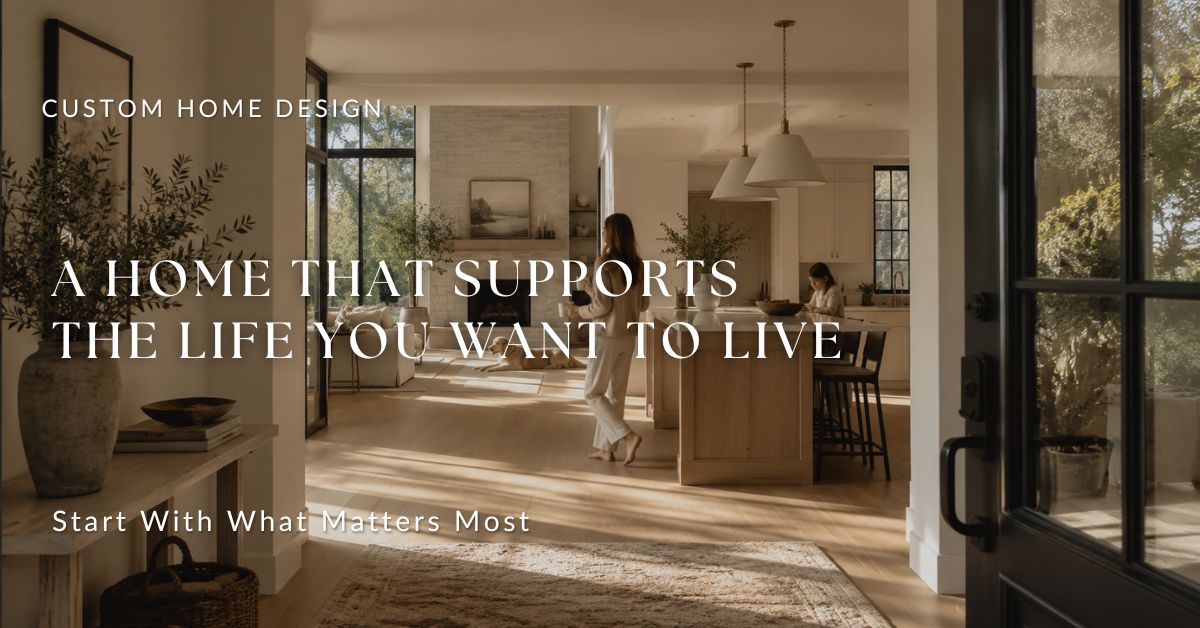
This connects to something I wrote about recently in Custom Home Design Process: A Home That Supports the Life You Want to Live. A home becomes much more meaningful when we stop thinking only about what we want it to look like and begin considering the experience we want it to create.
That experience is part of luxury, too.
Ask yourself: What in this space allows me to exhale, and what continually creates tension?
Rich in Functional Perfection
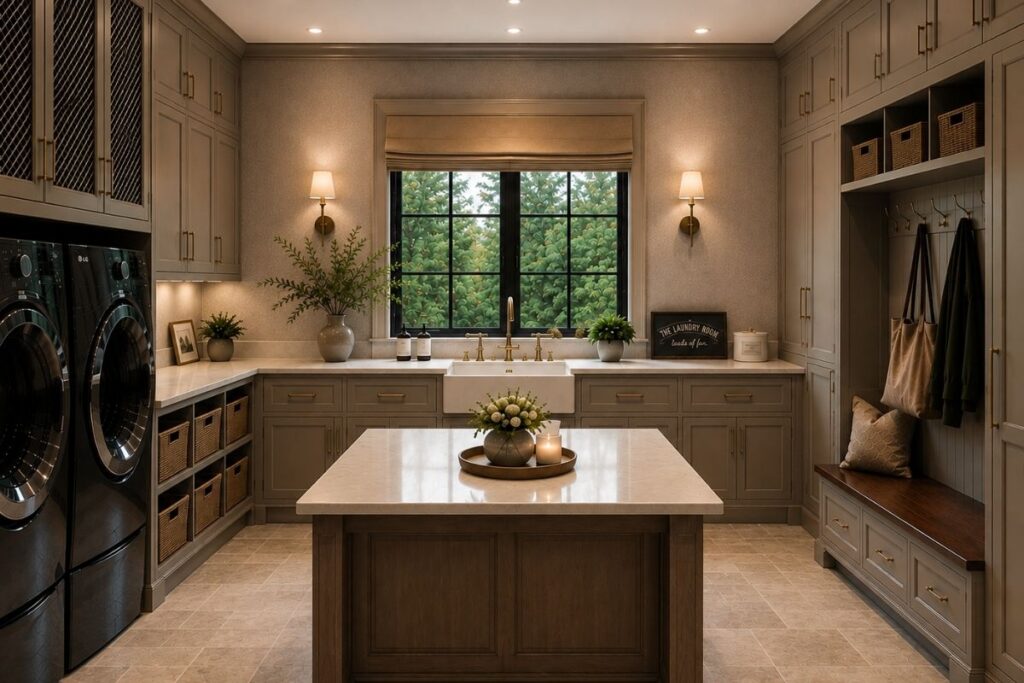
Of the three, function may be the least obvious element of luxury interior design, but I think it is one of the most important.
When I say functional perfection, I don’t mean that a home has to be literally perfect.
I mean that something has been thought through so thoroughly that it simply works.
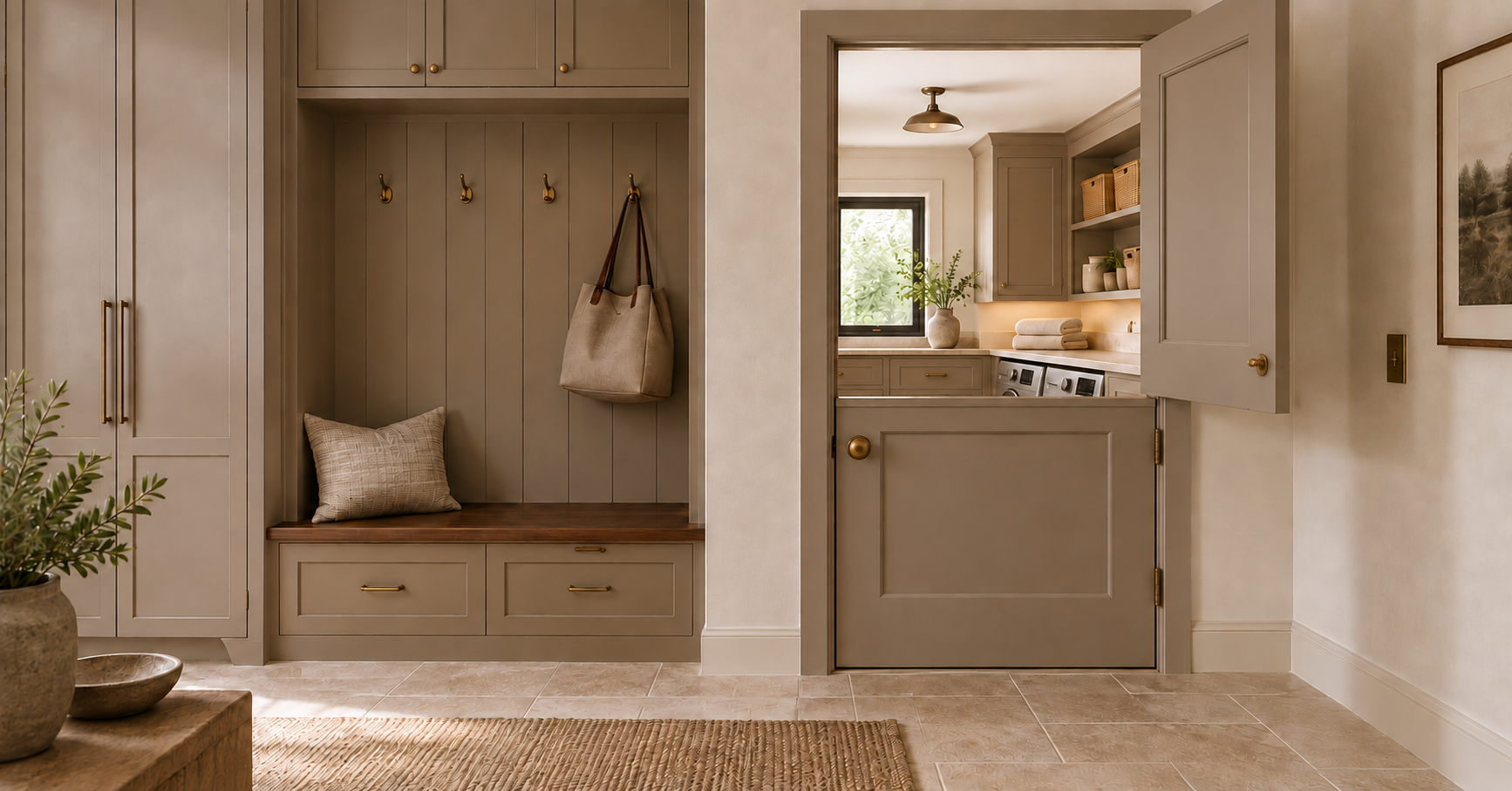
If you’re building or renovating, that thinking can begin with the architecture itself. A laundry room, for example, can be planned around much more than where the washer and dryer will fit. Storage, work surfaces, a utility sink, lighting, and even a place to sit or drop everyday belongings can all be considered together so the room supports everything that actually happens there.
The same thinking applies throughout a home. Circulation, cabinetry, storage, lighting, and electrical needs are most powerful when they’re considered early, allowing the architecture to support the way the home will actually be lived in.
But functional perfection does not require starting from scratch.
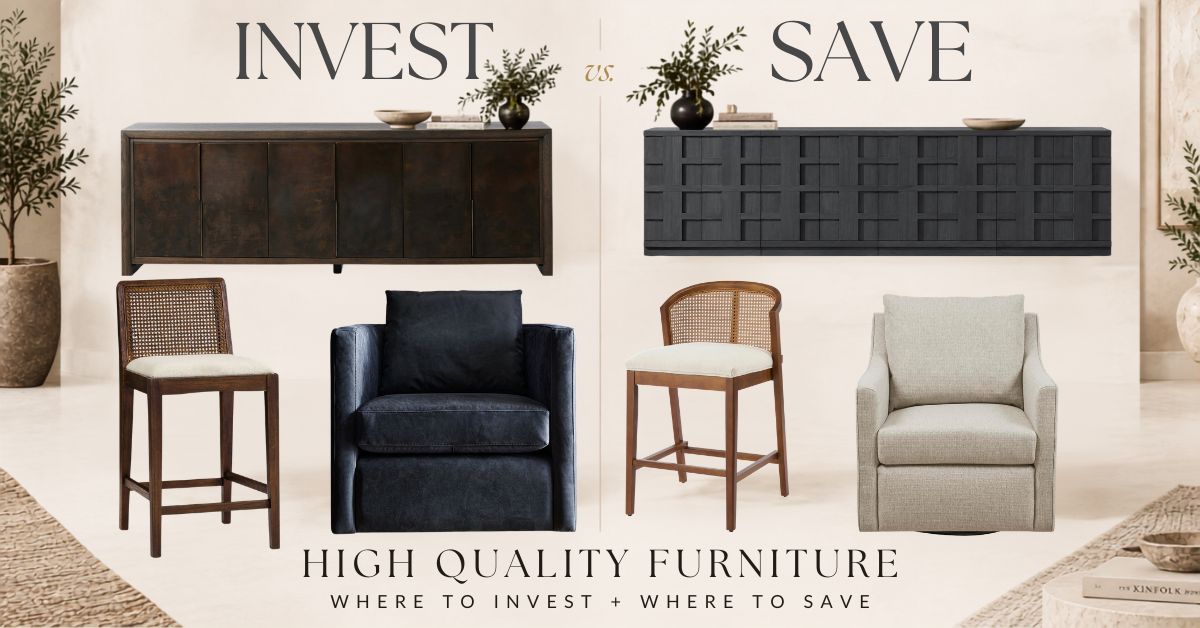
In a home you already live in, it might mean rearranging the furniture so conversation and circulation feel more natural. It could mean adding the table that has always been missing beside your favorite chair, improving task lighting in a place that is consistently too dark, replacing a piece of furniture that is the wrong scale, or adding a bookcase, console, or cabinet where you need both function and visual weight.
Sometimes the improvement is architectural. Sometimes it is a single piece of furniture.
What matters is that the solution removes friction instead of creating more of it.
This is where my background in architecture, construction, and interiors influences the way I think about design. A beautiful selection isn’t truly successful if it creates a problem somewhere else.
The most thoughtful design decisions often become almost invisible once you live with them.
You may not consciously think about why a room is easy to move through, why everything you need has a place, or why sitting down with a cup of coffee feels effortless.
You simply notice that the home works.
That kind of ease is a form of luxury.
Ask yourself: Where does my home support everyday life almost effortlessly, and where am I constantly working around it?
Why Personal Abundance Looks Different for Everyone
This is also why I don’t think there can be one universal expression of luxury interior design.
One person may dream about a large kitchen where twenty people can gather. Someone else may value a private primary suite that feels completely removed from the rest of the house.
Luxury might be an incredible piece of original artwork.
It might be beautifully crafted millwork.
It might be a working pantry that keeps the everyday mess out of the main kitchen.
Or it might simply be having a quiet place near a window where you can drink your coffee before the rest of the house wakes up.
Personal Abundance is personal because the things that enrich our lives aren’t identical.
And they change.
The home that serves a young family beautifully may need to function very differently ten years later. The spaces we need during a demanding season of work may be different from what we value when life slows down.
That doesn’t mean every change in life requires a renovation or a new house. Sometimes it simply gives us a different lens through which to look at the home we already have.
When a Beautiful Home Still Doesn’t Feel Quite Right
If you have ever looked around a room that is technically “done” and thought, Why doesn’t this feel the way I thought it would? it may help to stop asking what you need to buy next.
Instead, look at the room through these three lenses:
Style: Does this space give me something beautiful to experience?
Peace: Does this space contribute to the way I want to feel?
Function: Does this space support what actually happens here?
Sometimes a room is beautiful but frustrating to live in.
Sometimes it works perfectly well but feels uninspiring.
And sometimes a space is both beautiful and functional, yet something about it still prevents you from completely settling into it.
Good luxury interior design considers all three.
The answer isn’t necessarily to add more, spend more, or start over. It is to understand what is actually missing.
That distinction can change the way you make decisions about your home.
A More Personal Definition of Luxury
I believe our homes have the ability to give something back to us.
Beauty can lift us. Thoughtful spaces can help us feel calmer and more at ease. Good planning can remove small points of friction from our days that we might otherwise accept without thinking about them.
When those things come together, a home begins to feel like more than a collection of beautiful rooms.
It becomes deeply personal.
That is what Lavish means to me, and it is what I believe luxury interior design should ultimately create.
So rather than looking at your home and asking whether it has enough, look at it through a different lens.
Is it rich in style?
Does it give you a sense of peace?
Does it function in a way that makes living there feel easier?
You don’t necessarily need more. You may simply need to understand which part of the experience is missing.
True luxury isn’t measured by how much a home has, but by how richly it supports the life lived within it.
carrissa hickey

Ready to Create a Home That Feels as Good as It Looks?
Stay Inspired
Each month, I share The Lavish Letter with thoughtful design guidance, seasonal inspiration, and ideas for creating a home that supports the way you want to live. You’re welcome to join me.
Make Space for What Matters Next
Sometimes looking ahead begins with noticing what this season has taught us, appreciating what is already abundant, and becoming clearer about what matters next.
That idea is shaping the 2027 Lavish Signature Wall Calendar, which I’m currently reimagining with a more intentional connection between how we plan our year and how we want to live it.
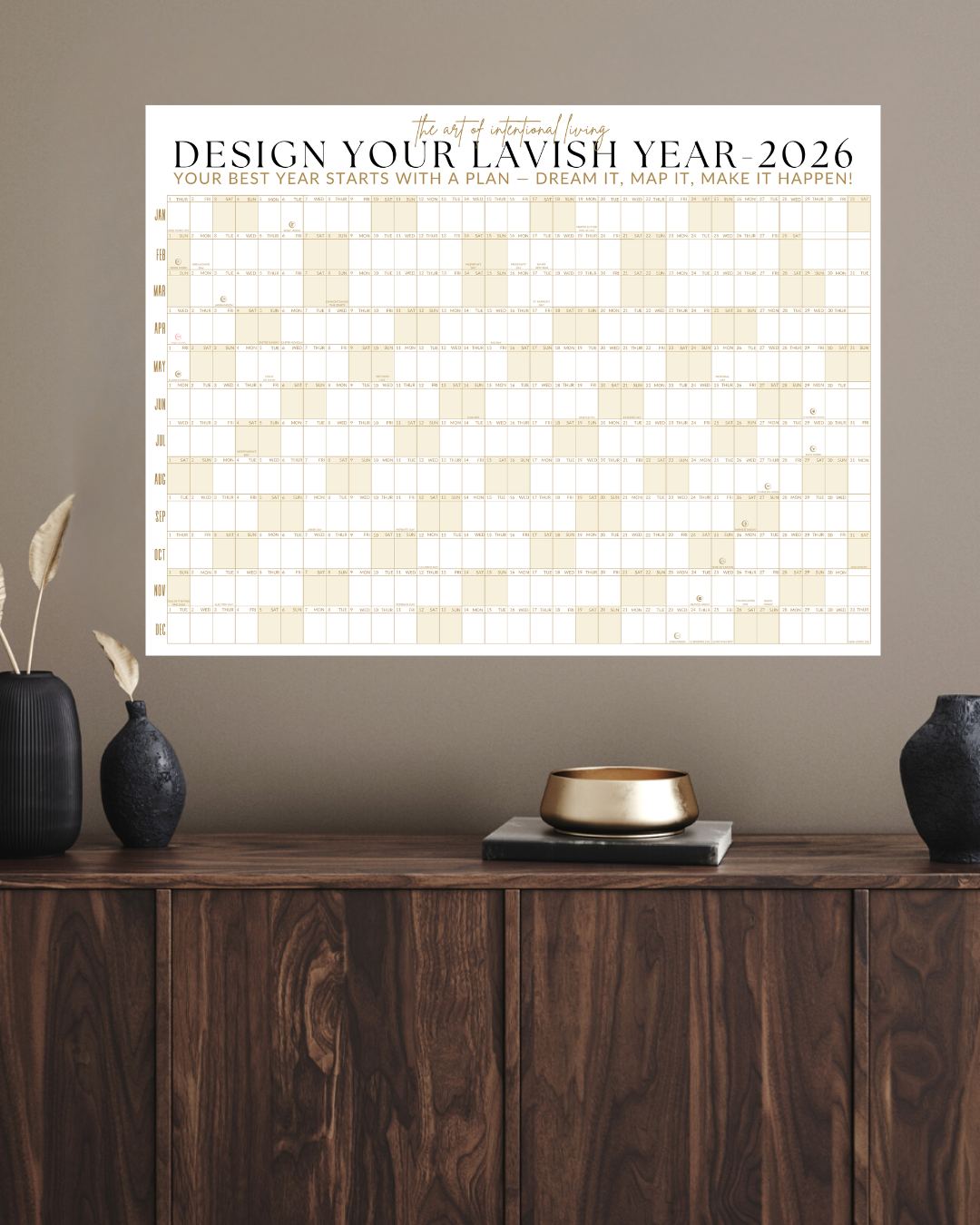
The 2026 Signature Wall Calendar is still available for anyone who wants a clear view of the months ahead.